

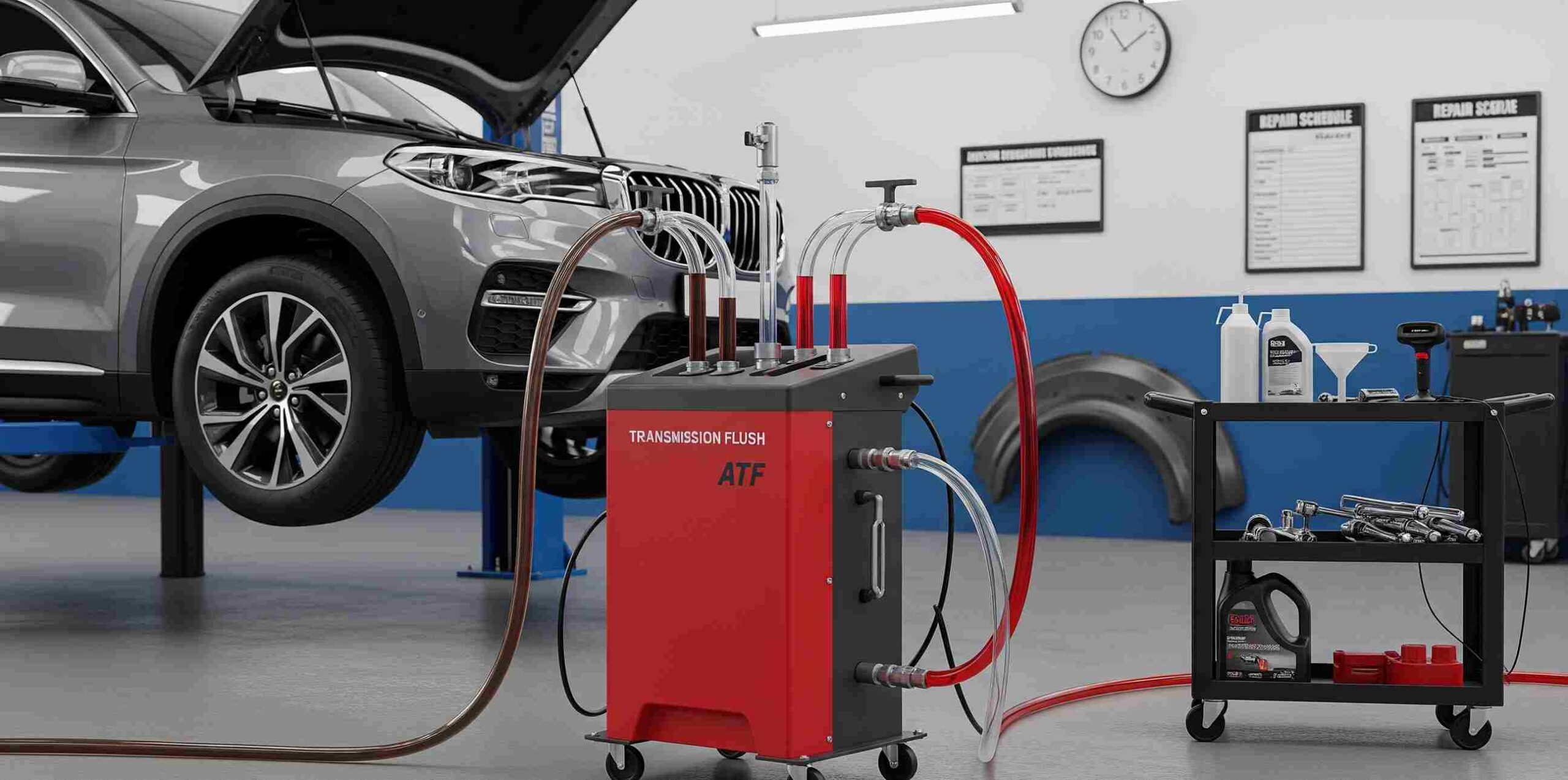
When it comes to vehicle maintenance, understanding how long procedures like a transmission flush take is key to planning your day and ensuring your car stays in top shape. As a seasoned automotive enthusiast and professional writer, I’m here to give you clear, accurate answers you can trust.
So, how long does a transmission flush really take? In general, a typical transmission flush takes about 45 minutes to 1 hour. However, this duration can vary depending on your vehicle’s make, model, and whether additional services are needed. Rest assured, I’ll walk you through everything you need to know about the transmission flush process, including timing, steps involved, and tips for a smooth service.
Keep reading to discover detailed insights into what affects the time it takes, common pitfalls to avoid, and why this service is crucial for your vehicle’s longevity.
What Is a Transmission Flush and Why Is It Important?
A transmission flush is a maintenance procedure that involves removing old, contaminated transmission fluid and replacing it with fresh fluid. This process helps maintain smooth gear shifts, prevents overheating, and extends the lifespan of your transmission.
Why it matters:
- Protects against costly repairs
- Keeps your vehicle running efficiently
- Improves overall driving experience
Let’s unpack the process and give you a step-by-step overview, along with tips to ensure your transmission gets the proper care it deserves.
How Long Does a Transmission Flush Actually Take?
Quick Summary:
A standard transmission flush typically takes between 45 minutes to 1 hour. This includes the time for draining, refilling, and running the transmission through its gears. The exact duration can depend on your vehicle’s complexity, whether it’s done at a dealership or an independent shop, and if additional repairs are needed.
Breaking It Down:
| Step | Description | Typical Time | Notes |
|---|---|---|---|
| Vehicle Inspection | Checking transmission fluid, diagnosing issues | 5-10 minutes | Pre-service inspection helps identify other potential problems |
| Connecting Equipment | Attaching machines and draining old fluid | 10-15 minutes | Some modern vehicles require specialized flush machines |
| Flushing Process | Using a machine to replace old fluid | 15-30 minutes | Duration varies with vehicle complexity |
| Refill & Check | Filling with new fluid and verifying levels | 10 minutes | Ensures proper function and avoids overfill/underfill |
| Test Drive & Final Inspection | Confirming transmission performance | 10 minutes | Detects any issues post-service |
In total, expect about an hour, give or take, especially for complex transmissions or if additional repairs are necessary.
Factors That Influence the Duration of a Transmission Flush
While the standard timeframe is roughly 45 minutes to an hour, several factors can influence the actual time needed:
Vehicle Make & Model:
- Some cars have complex transmission systems requiring more time.
- Older or luxury vehicles might need specialized procedures.
Type of Transmission Fluid System:
- Conventional systems typically take less time than newer, sealed or CVT transmissions.
Service Method:
- Standard drain-and-fill takes less time than a full flush with advanced machines.
Condition of Transmission:
- Dirty or contaminated systems may require additional diagnostics and steps.
Technician Experience & Equipment:
- Skilled technicians with advanced tools can complete the process faster and more efficiently.
Why Does the Time Matter?
Knowing how long a transmission flush takes helps you plan your day better. If you’re on a tight schedule, understanding these factors allows you to choose the right shop and service method, avoiding surprises or delays.
Tips for a Successful Transmission Flush
Schedule Regularly:
- Follow your vehicle manufacturer’s recommended maintenance intervals, usually every 30,000 to 60,000 miles.
Choose Certified Technicians:
- Ensures proper handling and prevents potential damage.
Ask About the Procedure:
- Clarify if the shop uses a simple drain-and-fill or a complete flush machine.
Prioritize Clean Fluids:
- Use quality transmission fluids suited to your vehicle.
Follow Up:
- After the flush, monitor your transmission’s performance for any issues.
Common Mistakes to Avoid During a Transmission Flush
| Mistake | How to Avoid It |
|---|---|
| Skipping the procedure altogether | Regular maintenance is vital for transmission health |
| Using incorrect fluid | Always use manufacturer-recommended fluids |
| Rushing the service | Allow enough time for thorough flushing and inspection |
| Ignoring warning signs | Address unusual noises or shifting issues promptly |
| Not choosing skilled technicians | Always go to reputable, certified repair shops |
Avoid these pitfalls to ensure you get the maximum benefit from your transmission flush.
Variations & Other Maintenance Options
Simple Drain & Refill:
Removes less fluid; quicker but less effective in cleaning the system thoroughly.Flush vs. Drain & Fill:
Flushing replaces nearly all transmission fluid, whereas a drain and refill might leave contaminated fluid behind.Synthetic Transmission Fluid Replacement:
Often lasts longer, may require fewer flushes.Transmission Service for Automatic vs. Manual:
The process and timing can differ; manual transmissions typically require less frequent fluid changes.
Why It All Matters
Transmission health plays a key role in your vehicle’s reliability and safety. Regular flushing prevents costly breakdowns, optimizes performance, and preserves the resale value of your car. Knowing roughly how long this service takes helps you plan better and ensures your vehicle gets the care it needs without unnecessary hassle.
Summary and Takeaways
A transmission flush generally takes between 45 minutes to an hour, but this can vary based on your specific vehicle and service method. Scheduled properly, it offers significant benefits for transmission longevity and performance. Always choose experienced technicians, use high-quality fluids, and keep an eye on your vehicle’s signals to stay ahead of costly repairs.
Investing in regular transmission maintenance — including timely flushes — is a smart step toward keeping your car running smoothly long into the future. Don’t overlook this essential service; it’s worth every minute!
Ready for your next transmission service? Remember, knowing how long it takes and what factors influence the process helps you make informed decisions. Stay proactive, and your vehicle will thank you!
Humanized tip:
Whenever you’re in doubt, ask your mechanic how long the process will take and what’s involved. Clear communication always leads to better care and peace of mind.
