

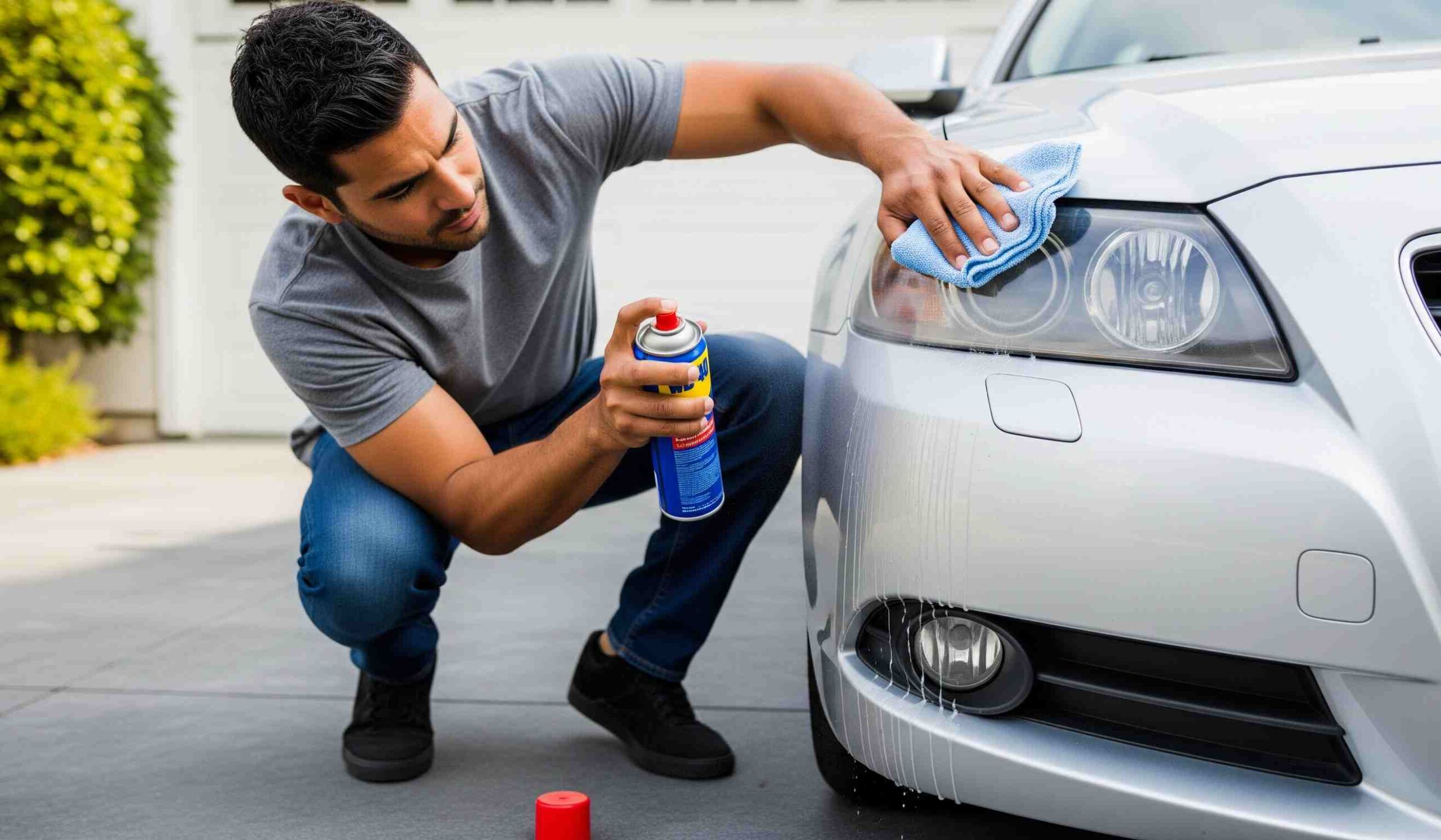
Ever wondered if WD-40, the versatile spray, can be used to restore your cloudy, yellowed headlights? Many car owners ask if this household product is a quick fix for headlight haze. The truth is—WD-40 can help clean headlights in some cases, but it’s not a universal solution. In this guide, I’ll reveal everything you need to know about using WD-40 for headlight cleaning, including its advantages, limitations, and better alternatives.
If you’re tired of dim, foggy headlights dimming your nighttime visibility, you’ve come to the right place. Here, I’ll explain whether WD-40 is a safe and effective option for headlight restoration, and what steps you should follow to see the best results. Plus, I’ll share expert tips, common mistakes to avoid, and other methods for crystal-clear headlights.
By the end of this article, you’ll understand how WD-40 can be part of your headlight cleaning toolkit, along with proven techniques that deliver safer and longer-lasting results. Let’s dive into the details so you can make an informed choice.
Can You Clean Headlights with WD-40?
Yes, you can use WD-40 to help clean cloudy or foggy headlights, but it’s not a dedicated cleaner or a permanent fix. WD-40 acts as a lubricant and moisture displacer, which can temporarily clear away dirt and reduce haze. However, it doesn’t remove the deep oxidation or yellowing that causes headlights to cloud over time. For sustained clarity, specific headlight restoration products or polishing methods are more effective.
In simple terms: WD-40 can provide a quick, short-term improvement in headlight clarity, but it’s not a permanent solution for serious cloudiness or yellowing.
Still curious? Keep reading to learn how WD-40 works on headlights, the proper application technique, and what other options are better suited for long-lasting results.
Using WD-40 to Clean Headlights: What You Need to Know
In this section, I’ll walk you through the process of using WD-40 on headlights, explain the science behind it, and provide tips for achieving the best possible outcome. Whether you’re looking for a quick fix or considering more comprehensive cleaning, this guide will help you make informed decisions.
What Is WD-40?
WD-40 — a popular multi-purpose spray, originally designed for lubricating wheel bearings, but now used to loosen rust, repel moisture, and displace water from surfaces. Its chemical composition includes:
- Mineral oil: acts as a lubricant.
- Hydrocarbon solvents: help dissolve grime.
- Corrosion inhibitors: protect metal surfaces.
How WD-40 Interacts with Headlights
- Acts as a moisture displacer, helping to remove water droplets on the surface.
- Acts as a mild cleaner, loosening dirt and grime accumulated on headlights.
- Provides a temporary protective coating, which can make the surface appear clearer momentarily.
Step-by-Step Guide to Using WD-40 on Headlights
| Step | Action | Details |
|---|---|---|
| 1 | Clean the surface | Wash headlights with soap and water to remove loose dirt. Dry thoroughly. |
| 2 | Shake the WD-40 can | Ensure the product is well-mixed for even application. |
| 3 | Spray evenly | Apply WD-40 directly onto the headlight surface, covering all areas thoroughly. |
| 4 | Let it sit | Allow the WD-40 to penetrate for 5-10 minutes. |
| 5 | Wipe with a clean cloth | Use a microfiber cloth to buff the surface, removing excess residue and dirt. |
| 6 | Inspect | Check the clarity—repeat if necessary, but avoid over-application. |
Key Tips for Success
- Always perform a patch test first to ensure no adverse reactions.
- Use in a well-ventilated area.
- Do not apply WD-40 on headlights with significant yellowing or deep oxidation; professional restoration is better in those cases.
- Follow up with a UV sealant for longer-lasting protection.
Why Using WD-40 for Headlight Cleaning Matters
Maintaining clear headlights isn’t just about aesthetics—it’s a crucial safety issue. Dim or foggy headlights reduce visibility at night or during bad weather, increasing accident risks. A simple, affordable cleaning method like WD-40 can offer quick visual improvement, especially if you’re in a pinch or preparing for a road trip. However, understanding its limitations ensures you don’t rely solely on WD-40 for long-term clarity.
Why Choosing the Right Method Is Important
While WD-40 offers a temporary clean-up, it doesn’t combat oxidation or UV damage that causes the plastic to yellow and cloud. These issues require more targeted approaches, such as specific headlight polishing kits, abrasive compounds, or professional restorations. Protecting your headlights with UV-resistant coatings helps maintain clarity longer.
Best Practices and Tips for Cleaning Headlights Effectively
| Tip | Explanation |
|---|---|
| Use a dedicated headlight restoration kit | These kits include abrasives and sealants designed to remove oxidation and UV damage. |
| Regularly wash headlights | Frequent cleaning prevents dirt buildup, making subsequent cleaning easier. |
| Apply UV sealant | Protects plastic surfaces from future yellowing and haze. |
| Avoid harsh abrasives | Abrasive materials not designed for plastics can scratch and worsen the haze. |
| Consider professional restoration | For heavily clouded headlights, experts can ensure a durable fix. |
Common Mistakes to Avoid
- Overusing WD-40 as a permanent fix. It’s mainly a temporary solution.
- Skipping initial cleaning—dirt and grime hinder effective polishing.
- Not protecting headlights afterward with a UV coating.
- Using harsh abrasives or abrasive pads that scratch the plastic surface.
Similar Variations and Alternatives
- Headlight polishing compounds: specifically designed to remove oxidation.
- Vinegar or baking soda: natural options for light cleaning.
- Commercial headlight restoration kits: often include sandpaper, polish, and sealant.
- Professional services: offer the most durable results.
Why Headlight Maintenance Matters
Proper headlight maintenance ensures your vehicle looks good and, more importantly, keeps you safe while driving. Cloudy headlights diminish your vehicle’s visibility and can be a turnoff for potential buyers if you plan to sell. By understanding how products like WD-40 work and knowing when to opt for specialized solutions, you can keep your headlights clear and your trips safer.
Final Thoughts
While WD-40 can serve as a quick and inexpensive way to improve headlight clarity temporarily, it’s not a replacement for dedicated restoration methods. Regular cleaning, using the right products, and applying UV protection are key to maintaining clear headlights long-term. Always assess your headlight condition and choose the method that best suits the level of damage—whether that’s a simple WD-40 touch-up or a professional headlight restoration.
Taking care of your headlights isn’t just about looks—it’s about safety. Keep your car shining and shining bright by choosing the right approach, and remember: a clear headlight is a safer headlight.
