

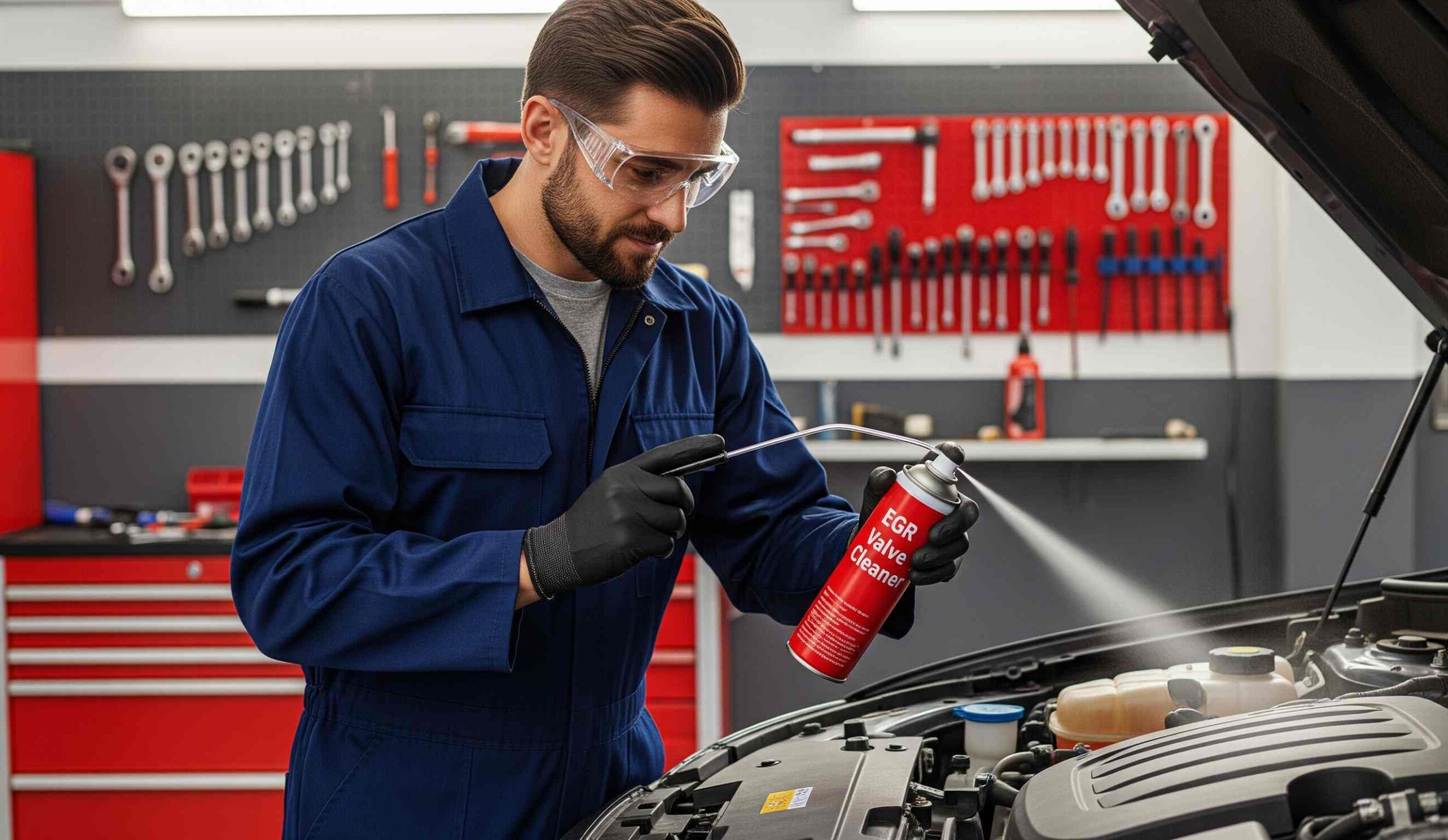
Ever wondered how to clean an EGR valve without removing it? You’re not alone. Many vehicle owners face this dilemma when their engine starts to run rough or fuel efficiency drops. The good news is, with the right approach, you can clean your EGR valve in-place, saving time and avoiding costly repairs.
Cleaning your EGR (Exhaust Gas Recirculation) valve without removal is entirely possible if you understand the process and use the right tools and cleaning methods. This guide will walk you through the steps, tips, and common mistakes to avoid, ensuring your vehicle runs smoothly without the need to disassemble parts unnecessarily.
By the end of this article, you’ll know exactly how to approach cleaning your EGR valve without taking it out, plus some expert tricks to make the process easier and more effective. Let’s get started!
What is an EGR Valve and Why Does It Need Cleaning?
Before diving into the cleaning process, it’s essential to understand what an EGR valve is and why keeping it clean matters.
Definition of EGR Valve
| Term | Definition |
|---|---|
| EGR Valve | A device that recirculates a portion of exhaust gases back into the engine’s intake to reduce nitrogen oxide emissions and improve fuel efficiency. |
| Carbon Deposits | Soot and grime that build up inside the EGR valve over time, causing blockages and malfunction. |
A dirty EGR valve can cause rough idling, sluggish acceleration, increased emissions, and even engine knocking. Regular cleaning keeps the valve functioning properly, which is vital for optimal engine performance and legal emissions compliance.
Why Cleaning an EGR Valve Without Removal Matters
- Saves Time: No need to dismantle engine parts.
- Reduces Costs: No labor charges for removal.
- Prevents Further Damage: Gentle cleaning avoids accidental damage.
- Maintains Driving Comfort: Restores engine performance efficiently.
Step-by-Step Guide on How to Clean an EGR Valve Without Removing It
Cleaning an EGR valve without removal requires patience, the right tools, and a clear step-by-step plan. Here is a detailed process for safe and effective cleaning.
Tools and Materials Needed:
- Carburetor or EGR cleaner spray (preferably high-temperature resistant)
- Extended, flexible straw applicator
- Rubber gloves and safety glasses
- Small brush or toothbrush
- A clean rag or cloth
- Screwdriver set (if accessible)
- Vacuum or compressed air (optional but recommended)
- Inspection mirror (to view the valve)
Procedure:
1. Prepare Your Vehicle
- Park your car on a flat surface.
- Turn off the engine and let it cool down for at least 30 minutes.
- Disconnect the negative terminal of the battery for safety.
2. Locate the EGR Valve
- Consult your vehicle’s manual for the exact location.
- Most commonly found near the intake manifold or on top of the engine.
3. Access the EGR Valve
- Sometimes, you’ll need to clear space by removing engine covers or other components.
- Use a flexible mirror to view hard-to-see angles.
4. Spray the EGR Cleaner
- With the engine idling or turned off, spray the cleaner directly into the EGR valve opening.
- Use the extended straw for targeted application.
- Allow the cleaner to settle for 10-15 minutes to dissolve carbon buildup.
5. Clean the Valve Internally
- If accessible, use a small brush or toothbrush to scrub away deposits gently.
- Be cautious not to damage delicate parts.
- For hard-to-reach areas, use compressed air to blow out loosened grime.
6. Repeat if Necessary
- Apply more cleaner if stubborn deposits remain.
- Finish with an air blast to clear residual debris.
7. Reassemble and Test
- Once satisfied, reconnect any components removed.
- Reconnect the battery.
- Start the engine and allow it to warm up.
- Observe for any irregularities such as rough idle or strange noises.
Data-Rich Table: EGR Cleaning Tips & Conditions
| Tip | Why It Matters | Best Practice |
|---|---|---|
| Use the right cleaner | Prevents damage to engine parts | Choose high-quality, EGR-compatible cleaners |
| Apply cleaner when engine is warm | Better agent effectiveness | Slightly warm engine (not hot) for optimal cleaning |
| Avoid using abrasive tools | Prevents damage to valve components | Use soft brushes and non-abrasive cloths |
| Check for electrical connectors (if applicable) | To prevent short circuits | Disconnect battery before cleaning to avoid electrical issues |
| Regular maintenance | Keeps buildup minimal | Clean EGR every 20,000 to 30,000 miles or as recommended by manufacturer |
Tips for Success When Cleaning Your EGR Valve
- Be patient: Allow the cleaner enough time to act.
- Work in a well-ventilated area: Exhaust fumes and chemical vapors can be harmful.
- Wear protective gear: Safety gloves and goggles are essential.
- Avoid forcing parts apart: If you feel resistance, stop and reconsider, as forcing may cause damage.
- Perform a test drive: Post-cleaning, ensure the vehicle operates smoothly and without error codes.
Common Mistakes and How to Dodge Them
| Mistake | How to Avoid |
|---|---|
| Using the wrong cleaning products | Stick to specialized EGR or carburetor cleaner |
| Over-applying cleaner | Use sparingly to prevent wash-off into sensors |
| Forgetting to disconnect battery | Always disconnect to prevent electrical issues |
| Ignoring underlying issues (like a faulty valve) | Replace if cleaning doesn’t resolve problems |
| Rushing the process | Take your time to ensure thorough cleaning |
Variations in EGR Cleaning Approaches
- Chemical Cleaners Only: Suitable for minor buildup but may require multiple applications.
- Mechanical Cleaning: Using brushes or scrapers — risky if not done carefully.
- Professional Cleaning: Light mechanical work and carbon removal at a mechanic’s shop.
Why It Matters: The Importance of Proper EGR Maintenance
A clean EGR valve ensures your engine runs efficiently, reduces emissions, and prolongs engine life. Neglecting this component can increase exhaust emissions, cause engine knocking, and even damage the catalytic converter. Performing in-place cleaning is a cost-effective way to keep your vehicle running smoothly without the hassle of removal.
Conclusion
Learning how to clean an EGR valve without removing it is a practical skill every car owner should have. Not only does it save money and time, but it also ensures your vehicle maintains peak performance and adheres to emission standards. Remember, patience, the right tools, and following proper safety protocols are key to success. Regular maintenance combined with these cleaning tips will keep your engine breathing easy.
So next time you notice rough idling or decreased fuel efficiency, consider performing this in-place cleaning. It’s simple, effective, and a vital part of responsible vehicle ownership!
