

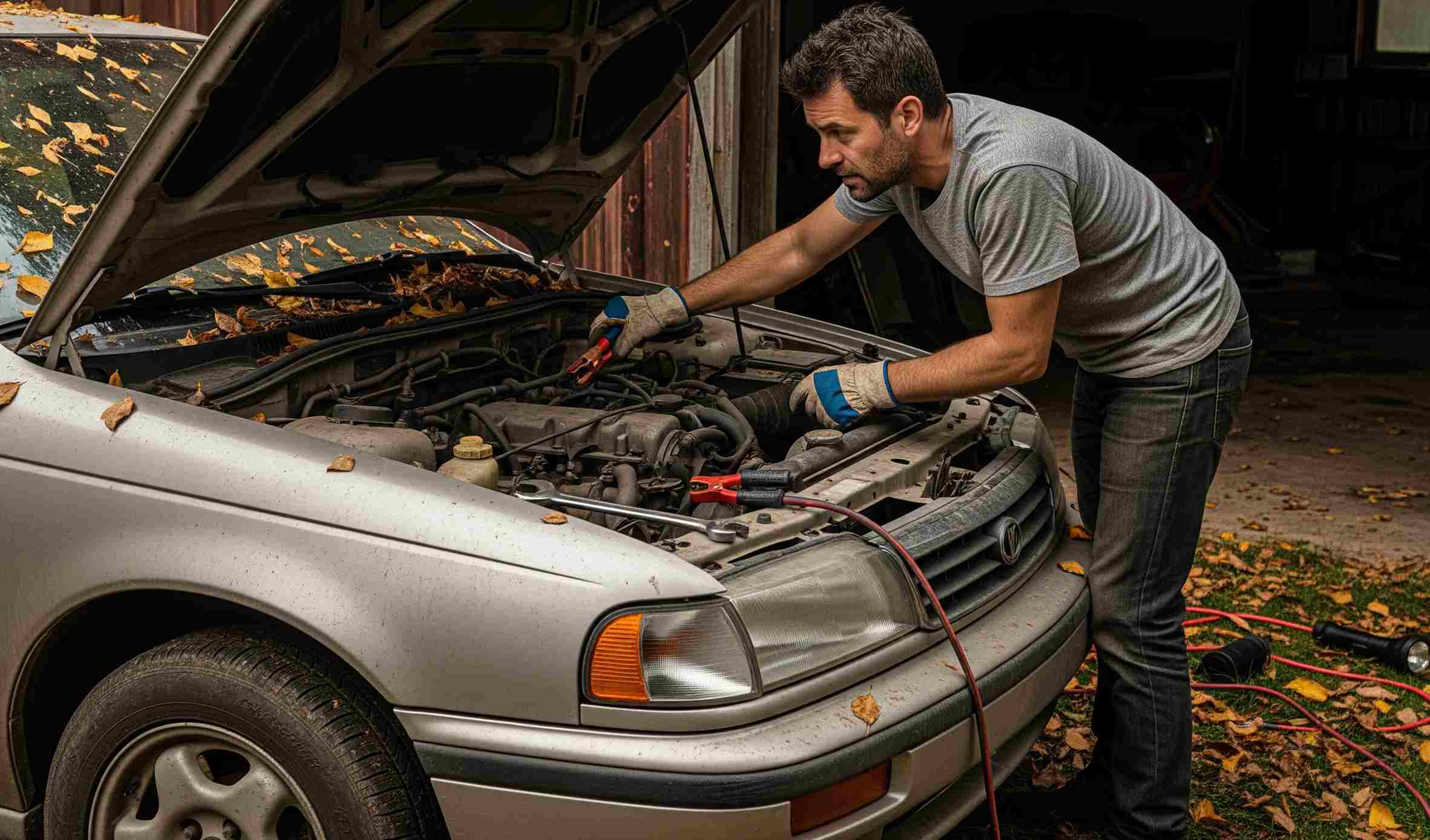
Are you staring at an old, neglected car that hasn’t run in years and wondering what steps to take to get it back on the road? Don’t worry—I’ve got you covered. Restoring a car that’s been idle for years can seem daunting, but with a clear, step-by-step plan, you can breathe new life into it.
Ever wondered if it’s even possible to start a car that’s been sitting untouched for a long time? The good news is: yes, it is possible, but it requires careful assessment and systematic steps. From initial inspection to parts replacement, I’ll walk you through everything you need to know.
Keep reading to discover detailed instructions, tips for success, common pitfalls, and even optional upgrades that can make your car run smoothly once again. Whether you’re a seasoned mechanic or a complete beginner, these insights will help you bring that vintage beauty back from the dead.
Restoring a Car That Hasn’t Run in Years: Essential Steps and Key Considerations
When a car has been sitting unused for many years, several issues can prevent it from starting or running smoothly. The process isn’t just about turning the key—it’s about a thorough evaluation and strategic repairs. Here’s a simple yet detailed approach to revive your dormant vehicle.
Why Does It Matter?
Understanding the importance of proper restoration methods helps prevent damage and ensures safety. Restoring an old car not only saves money but also preserves automobile history and can be a rewarding personal project.
Step-by-Step Guide to Starting a Car That Hasn’t Been Running in Years
1. Initial Inspection and Safety Precautions
Why it matters: To identify potential hazards, prevent injuries, and assess the overall condition before proceeding.
Checklist:
- Wear safety gear (gloves, goggles)
- Check for obvious damage or leaks
- Look for signs of rodent infestation or rust
- Inspect tires for cracks or deflation
- Confirm battery condition
Action points:
- Always disconnect the battery before starting any work.
- Ensure the area is well-ventilated if you plan to work with fuel or chemicals.
2. Assess and Replace Fluids
What to check:
- Oil
- Transmission fluid
- Brake fluid
- Coolant
Steps:
- Drain old fluids (which may be contaminated or degraded)
- Replace with fresh fluids following manufacturer specifications
Special considerations:
| Fluid Type | Why it needs replacement | When to replace |
|---|---|---|
| Engine oil | Lubricates engine; degrades over time | Before first startup after long storage |
| Coolant | Prevents overheating; can stagnate or freeze | After a thorough inspection and flush |
| Brake fluid | Absorbs moisture; causes brake failure if old | Every 1-2 years, or upon restoration |
3. Check the Battery and Electrical System
Why? A dead or corroded battery is a common hurdle.
Procedure:
- Test the battery voltage with a multimeter.
- Charge or replace if necessary.
- Inspect the wiring for corrosion or damage.
4. Inspect and Replace the Fuel System
Issues:
- Old fuel can gum up lines and carburetors.
- Fuel tanks may rust or leak.
Steps:
- Drain remaining fuel.
- Clean or replace the fuel filter.
- Consider replacing the fuel pump if it’s old or faulty.
- Clean or replace carburetor (or fuel injectors for newer models).
| Tip | Why It Matters |
|---|---|
| Use fresh fuel | Old fuel can cause engine knocking, poor starting |
| Check for rust | Rust in the tank clogs filters and injectors |
5. Examine the Drive Belts and Hoses
Importance: Belts and hoses deteriorate over time, risking engine damage.
Inspection points:
- Look for cracks, splits, or fraying.
- Replace damaged belts.
- Check hoses for swelling or leaks; replace as needed.
6. Inspect the Spark Plugs and Ignition System
Why it matters: Ignition components are crucial for starting.
Steps:
- Remove and examine spark plugs.
- Clean, gap, or replace if worn or fouled.
- Check ignition coils and wires.
7. Manual Turnover and Compression Test
Purpose: To ensure the engine can turn over and has good compression.
Procedure:
- Remove spark plugs.
- Use a socket to manually rotate the engine.
- Conduct a compression test.
[Insert table with typical compression values based on engine type]
8. Attempt to Start the Engine
Preparation:
- Ensure all systems are checked and fluids are topped up.
- Turn the key to “ON” and listen for fuel pump primes.
- Use a remote starter switch if necessary.
If it starts:
- Let it idle, check for leaks and abnormal noises.
- Gradually increase RPM to warm up.
If it doesn’t:
- Troubleshoot potential issues like spark, fuel supply, or compression.
Tips for Success
- Be patient; some repairs require patience and elbow grease.
- Always follow manufacturer specifications for fluids and parts.
- Regularly check for leaks, especially fuel and oil.
- Consider using a fuel stabilizer if storing the car long-term.
Common Mistakes and How to Avoid Them
| Mistake | Why It’s a Problem | How to Avoid It |
|---|---|---|
| Skipping inspection | Overlooking hidden issues | Do a thorough inspection first |
| Using old or incompatible fluids | Damage to engine/system | Always use recommended fluids |
| Not cleaning or replacing fuel system | Clogging, starting issues | Properly clean or replace components |
| Ignoring rust or corrosion | Can lead to structural issues | Address rust early |
Similar Variations and Upgrades
Once your car is running again, consider some upgrades:
- Installing a new battery with higher cold cranking amps
- Upgrading to synthetic oils
- Replacing old spark plugs with iridium variants for better ignition
- Adding fuel additives to clean fuel systems
Why Restoring an Old Car Matters
Restoring a car that’s been sitting for years is more than just getting it to run; it’s about preserving history, enjoying a rewarding project, and sometimes even increasing its value. Plus, it’s a fantastic way to learn about how vehicles work.
In short, proper assessment and systematic repairs are key to reviving an old, dormant vehicle. Take your time, follow the steps, and your beloved car can be back on the road, purring like new.
Final Thoughts
Getting a car that hasn’t run in years back on the road is totally achievable with the right approach. From inspecting the basics to dealing with the fuel system and engine, every step matters. Remember, safety first, and don’t rush the process. With patience and proper care, your vintage or neglected vehicle can become a reliable, cherished ride once again.
If you’re considering restoring an old car, now you’re well-equipped with a comprehensive plan. Happy reviving!
