

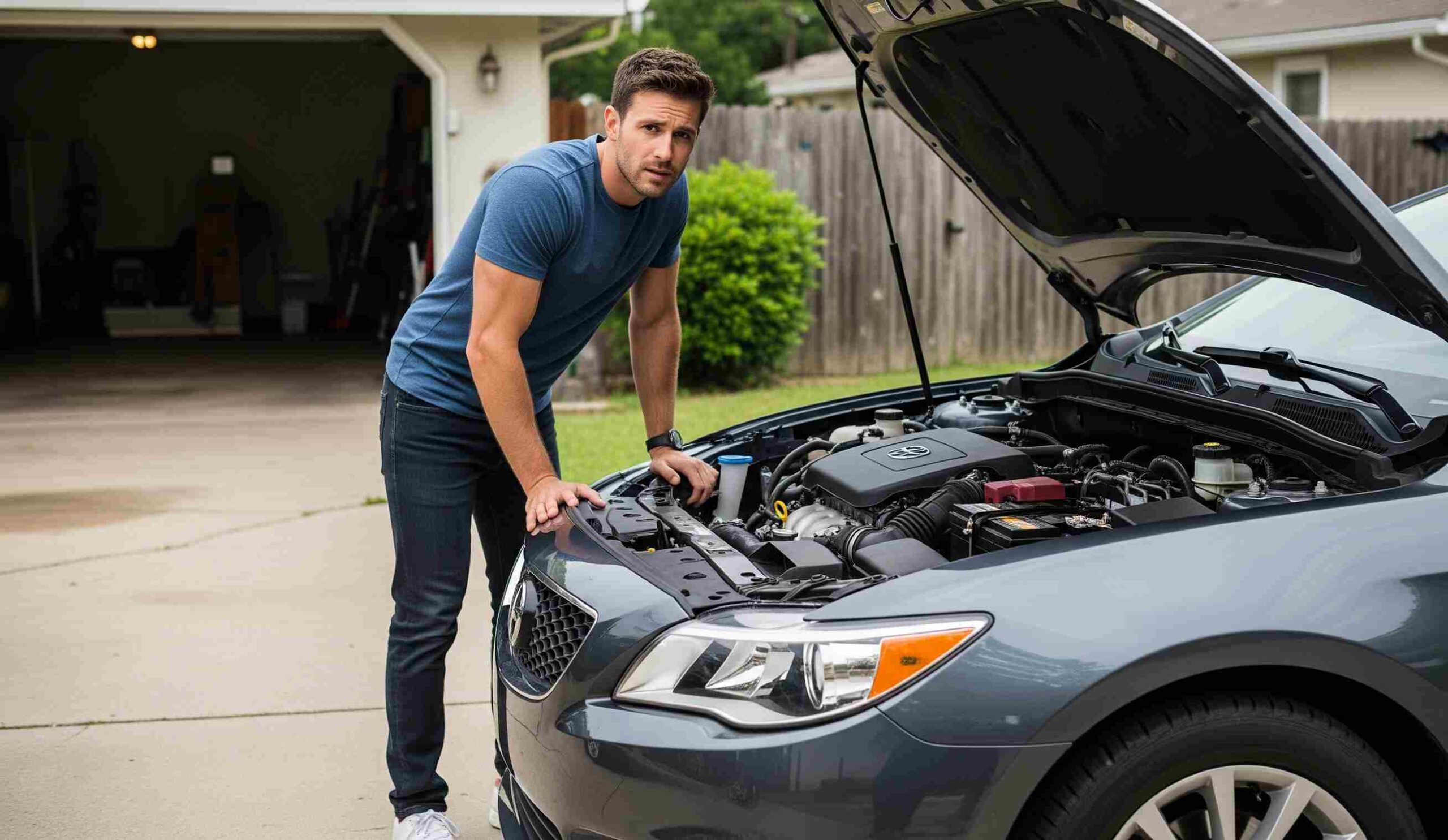
Have you ever been cruising down the road when suddenly, your engine starts making a strange rattling noise? It’s understandably nerve-wracking, and you might wonder what’s going wrong. As an experienced automotive enthusiast, I’m here to tell you that understanding the root cause of engine rattling can save you big bucks and prevent further damage.
In short, a rattling noise from your car engine can stem from various issues ranging from loose components to serious internal damage. The key is diagnosing the exact cause quickly to avoid costly repairs. Whether you’re a seasoned driver or a newbie, knowing why your engine rattles is crucial for maintaining your vehicle’s health.
Stick around, and I’ll walk you through the most common reasons behind this unsettling noise—plus tips on what actions to take right now to keep your engine running smoothly.
What Causes Your Car Engine to Rattle?
Understanding Engine Rattling — Rattling noises can be caused by a variety of issues, each affecting different parts of your engine. The problem could be simple like a loose component or complex like internal engine damage. Here’s a detailed breakdown:
| Cause | Description | Signs | Potential Damage |
|---|---|---|---|
| Loose or Worn Valve Train Components | Parts like valves, camshafts, or timing chains that aren’t secured properly. | Continuous rattling, especially at idle. | Engine timing issues, rough running. |
| Low Oil Levels or Poor Oil Quality | Insufficient lubrication leading to metal-on-metal contact. | Rattling sounds during engine startup or high RPM. | Increased wear, engine damage if ignored. |
| Exhaust System Issues | Loose heat shields, damaged catalytic converter, or exhaust leaks. | Rattling noise mainly during acceleration or at certain speeds. | Further exhaust damage, reduced efficiency. |
| Engine Mount Problems | Cracked or worn engine mounts that aren’t holding the engine firmly. | Rattling during acceleration or when shifting gears. | Engine movements causing additional damage. |
| Internal Engine Damage | Worn out pistons, bearings, or rods resulting from prolonged neglect. | Persistent rattling sounds, loss of power. | Severe mechanical failure, costly repairs. |
| Faulty or Worn Spark Plugs | Misfiring sparks can cause irregular engine sounds. | Rattling combined with engine misfires. | Reduced fuel efficiency, engine damage. |
| Timing Belt or Chain Failure | A loose or failing timing component affecting engine timing. | Rattling at startup or during driving. | Major engine failure if broken. |
| Fuel System Problems | Clogged fuel injectors or faulty fuel pump. | Rattling sounds due to uneven fuel supply. | Poor engine performance, damage over time. |
Why It Matters: The Importance of Addressing Rattling Noises
Ignoring a rattling engine is risky. Over time, these noises can signal worsening internal issues or component failures, leading to expensive repairs or even engine replacement. By understanding what’s causing the noise early on, you can take proactive steps to prevent major breakdowns. Regular maintenance, like oil changes and inspections, plays a crucial role in avoiding these problems altogether.
How to Identify and Fix Common Causes of Rattling
Step-by-step Troubleshooting:
- Check your oil levels regularly. Use the dipstick—if the oil is low or dirty, a fresh oil change might fix the rattling.
- Inspect the exhaust system for loose heat shields or damaged parts. Sometimes, a simple tightening or replacement can silence the noise.
- Examine engine mounts for visible cracks or wear—if you notice the engine shifting excessively, mounts may need replacing.
- Listen to when the rattling occurs. Is it during startup, acceleration, or while idling? This clue helps narrow down the cause.
- Schedule a professional inspection if you’re unsure. A mechanic can perform diagnostic tests to pinpoint internal issues like worn bearings or timing chain problems.
Tips for Success in Preventing Engine Rattles
- Perform regular oil and filter changes.
- Keep your cooling system in check.
- Address any odd noises or vibrations immediately.
- Follow the maintenance schedule recommended by your vehicle manufacturer.
- Use quality parts and fluids to ensure longevity.
Common Mistakes to Avoid and How to Prevent Them
| Mistake | How to Avoid | Why It Matters |
|---|---|---|
| Ignoring minor rattles | Regular inspections, listen for changes | Small issues escalate into costly repairs. |
| Using cheap or incorrect oil | Use recommended oil grade and quality | Proper lubrication reduces wear and noise. |
| Delaying repairs | Seek professional help ASAP | Prevents internal damage and costly fixes. |
| Overloading or aggressive driving | Drive smoothly and within limits | Reduces stress on engine components. |
Variations and Related Problems
- Knocking vs Rattling — Knocking often signals engine knocking or knocking at ignition, while rattling usually indicates loose parts or internal damage.
- Squealing or whining noises — These are often related to accessory belts or alternator issues but can sometimes accompany rattling if tied to tensioner failure.
- Vibration vs Noise — Vibrations may accompany rattling and point towards mounting issues or imbalance.
Why Engine Noise Detection is Crucial
Understanding and diagnosing engine rattling isn’t just about quieting annoying sounds; it’s about safeguarding your vehicle’s integrity. Recognizing early symptoms allows for timely repairs, saving you money and avoiding breakdowns. Plus, a well-maintained engine runs more efficiently and lasts longer.
Final Thoughts
A rattling engine can stem from a myriad of causes, some simple and others serious. Don’t ignore odd sounds—early detection and prompt fixes are the best way to keep your vehicle in top shape. Remember, regular maintenance is your strongest tool in preventing these issues altogether. Keep your engine healthy, and it will reward you with smooth, reliable performance for years to come.
Stay attentive to your engine’s sounds. If in doubt, consult a professional to keep your car running at its best!
