

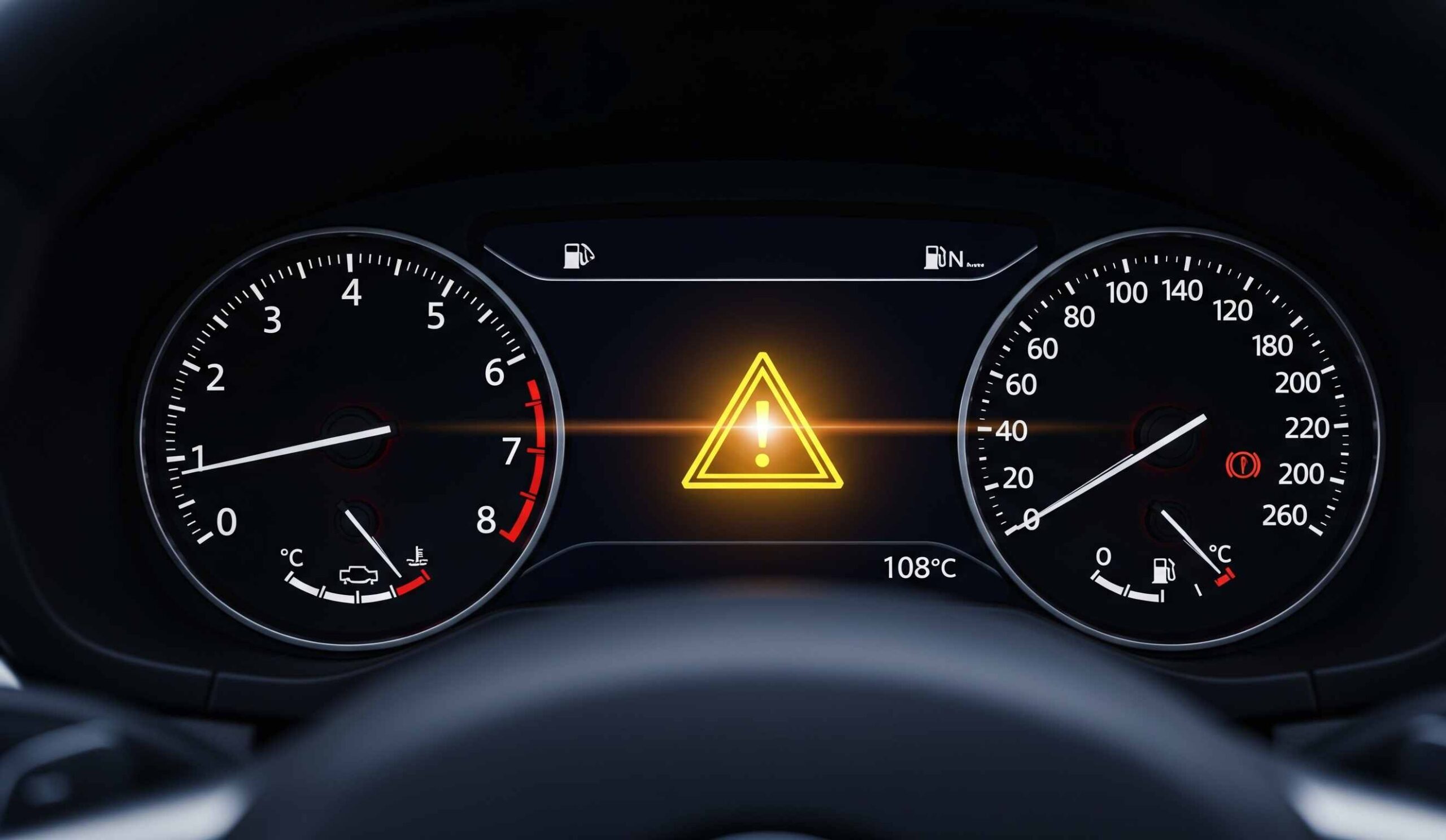
Are you staring at your dashboard and suddenly see a triangle with an exclamation mark inside it? Don’t worry—you’re not alone. This warning light can be confusing, especially if you’re unsure what it signals about your vehicle’s health. As experienced automotive writers, we’re here to give you the clearest, most comprehensive explanation.
In short, a triangle with an exclamation mark on your car’s dashboard is a general warning indicator that alerts you to a problem needing attention. It’s a catch-all symbol, signaling that your vehicle has detected an issue that could range from minor to serious. The exact meaning can vary slightly depending on your car’s make and model, but understanding its purpose is crucial to maintaining your vehicle’s safety and performance.
Keep reading to learn what this warning light specifically indicates, how to respond properly, and how to prevent larger problems down the road. Knowledge is power, especially when it comes to your car’s health!
What Does the Triangle With an Exclamation Mark Attract?
Demystifying the Warning Light on Your Dashboard
So, what exactly does this warning light represent? Let’s break it down clearly and practically.
Definition:
The triangle with an exclamation mark is a general warning indicator that your vehicle’s system has detected an anomaly. It doesn’t specify the exact issue, acting instead as an alert that something requires your attention.
Common Causes for the Triangle With an Exclamation Mark
Here are some typical reasons this warning light might illuminate:
| Cause | Explanation | Action Needed |
|---|---|---|
| Low Tire Pressure | When tire pressure drops below safe levels. | Check tire pressures and inflate if needed. |
| Brake System Issue | Problems with brake fluid, pads, or sensors. | Inspect brakes promptly; visit a mechanic. |
| Stability Control or Traction Control Alerts | Issues with car stability sensors. | Have the system inspected; avoid aggressive driving. |
| Engine or Transmission Puzzle | Engine temperature or oil issues. | Check engine oil level; consult mechanic if persists. |
| Electrical System Fault | Battery or wiring problems. | Diagnose electrical components; replace if necessary. |
Tip: Always refer to your owner’s manual for specifics related to your model. Manufacturers may have different ways of implementing this warning.
Breakdown of the Warning Light: Step-by-Step Response
Understanding how to respond quickly and effectively can be the difference between a minor inconvenience and a costly repair.
Step 1: Safely Pull Over
Find a safe spot to stop your vehicle without causing obstruction or risking safety.
Step 2: Read the Dashboard Carefully
Observe if any other warning lights are also on, which could help pinpoint the issue.
Step 3: Check Basic Things First
- Tire pressure: Use a gauge to check all tires.
- Fluid levels: Oil, coolant, brake fluid.
- Visual inspections: Look for leaks or loose wires.
Step 4: Consult Your Vehicle’s Manual
Identify what the warning symbol indicates specifically for your car.
Step 5: Take Appropriate Action
- For minor issues, such as low tire pressure, you can usually fix it yourself.
- For more serious problems, schedule a visit with your mechanic immediately.
Why It Matters: The Significance of the Warning Light
Ignoring this warning can lead to damage that’s more costly and dangerous. For example:
- Driving with underinflated tires might cause tire blowouts.
- Overlooking brake warning signals could compromise stopping power.
- Neglecting electrical faults can result in vehicle shutdown.
Proactively addressing this warning icon is key to preserving your vehicle’s longevity, safety, and performance.
Tips for Success When the Triangle with Exclamation Mark Shows Up
- Maintain regular vehicle check-ups.
- Keep your tires properly inflated and rotated.
- Follow your manufacturer’s scheduled maintenance.
- Use a reputable diagnostic scanner if you’re comfortable.
- Familiarize yourself with your vehicle’s dashboard symbols.
Common Mistakes and How to Avoid Them
| Mistake | How to Avoid |
|---|---|
| Ignoring the warning | Always investigate any warning lights promptly. |
| Resetting the warning without checking | False positives can occur; verify the issue before dismissing. |
| Delaying repairs | Small problems can escalate into costly repairs if ignored. |
Variations of the Warning Light
Depending on vehicle manufacturer, the warning symbol can vary slightly in appearance but generally shares the same purpose. Sometimes, it might appear as a simple exclamation mark inside a triangle or be combined with other symbols indicating specific issues.
Examples:
- Warning triangle with an exclamation mark and a contextual icon.
- Triangle with an exclamation mark blinking or steady.
- Different colors (yellow, red) indicating urgency.
Why Your Car Shows the Triangle with an Exclamation Mark — Why it Matters
Understanding the importance of this warning light can save you money and even a dangerous breakdown. It’s a sign that your vehicle wants you to act, whether it’s a quick fix or a reminder to schedule a professional inspection. It’s your car’s way of communicating that something isn’t right.
Final Thoughts
Seeing a triangle with an exclamation mark on your dashboard can initially be alarming, but armed with the right knowledge, you can respond calmly and appropriately. This warning light is an indicator that proactive action can prevent bigger problems, ensuring your safety and keeping your vehicle running smoothly. If in doubt, always consult your owner’s manual or seek professional help. Remember, maintaining awareness of your vehicle’s warning signals is key to a safe and reliable driving experience.
Stay tuned and make sure to keep a close eye on your dashboard indicators. Prompt attention to warning lights can make all the difference—your safety and your car’s longevity depend on it!
