

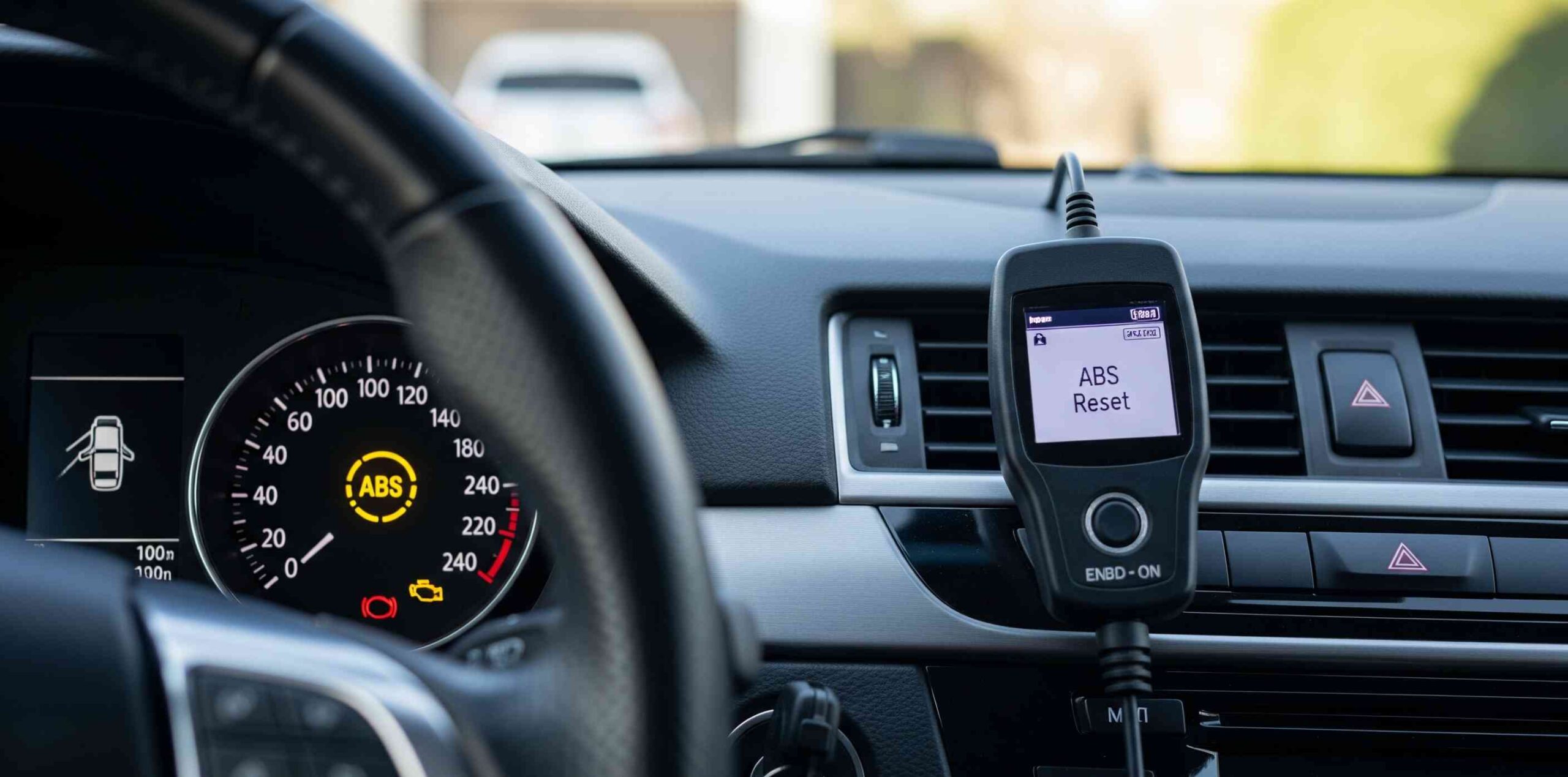
Have you ever experienced an ABS warning light popping up on your dashboard? Don’t worry—learning how to reset your ABS system can save you time and money, getting you back on the road safely. In this article, I’ll walk you through the most effective ways to perform a quick ABS reset, whether you’re a DIY enthusiast or just want to understand your vehicle better.
So, what exactly is the best way to quickly reset your ABS system? The straightforward answer is: turn off and restart your vehicle, or use an OBD-II scanner to clear the fault codes. These methods can often clear the ABS warning light and reset the system without expensive repairs. But there’s more to it—sometimes the issue requires deeper diagnostics or specific procedures depending on your car’s make and model.
Keep reading to discover step-by-step instructions, tips for success, common mistakes to avoid, and why maintaining your ABS system matters so much for your vehicle’s safety. Let’s dive in!
Understanding the ABS System and Its Importance
What Is ABS?
- ABS (Anti-lock Braking System): A safety feature that prevents your wheels from locking up during hard braking, helping you maintain steering control.
- Sensors: Detect wheel speed and send data to the ABS control module.
- Control Module: Processes sensor data and modulates brake pressure to prevent lock-up.
- Hydraulic Pump & Valves: Adjust brake fluid pressure to each wheel, maintaining optimal traction.
Why Does the ABS Warning Light Come On?
- Faulty wheel speed sensors
- Damaged wiring or connectors
- ABS control module issues
- Low brake fluid levels
- Malfunctioning hydraulic pump
Why Reset the ABS System?
Resetting clears error codes, restoring normal operation if the fault was temporary, or after repairs. It can also help you determine if the warning persists, indicating a deeper issue.
How to Do a Quick Reset on Your ABS System: Step-by-Step
Before You Start
- Ensure your vehicle is parked on a flat surface.
- Turn off the engine and remove the key.
- Gather necessary tools: mainly an OBD-II scanner (if available).
- Safety first: wear gloves and eye protection if inspecting brake components.
Method 1: Basic Manual Reset (For Vehicles Without Advanced Diagnostics)
Turn off your vehicle.
Wait for at least 5 minutes to allow system components to reset.Disconnect the battery.
Open the hood and disconnect the negative terminal of the battery using a wrench. Wait for 15-30 minutes.Reconnect the battery.
Reattach the negative terminal securely.Start your vehicle.
Check if the ABS warning light has gone off.
Note: This method resets the entire vehicle’s ECU and may erase other stored data.
Method 2: Using an OBD-II Scanner (Preferred for Accuracy)
Connect the scanner.
Plug your OBD-II scanner into the port beneath the dashboard.Turn on the ignition.
Do not start the engine yet.Retrieve fault codes.
Follow scanner instructions to read ABS-related DTCs (Diagnostic Trouble Codes). Note down any error codes.Clear the codes.
Use the scanner’s option to erase codes. Confirm the reset.Start the engine.
Check for the warning light. If it stays off, the reset was successful.
Method 3: Drive Cycle Reset (For Temporary Clearing)
Some cars reset ABS warnings after completing a drive cycle:
- Accelerate smoothly from 0 to 60 mph.
- Apply moderate braking to simulate normal driving.
- Continue driving without hard braking or rapid acceleration for 10-15 minutes.
- Turn off and restart the vehicle.
This process can sometimes reset the system if the fault was intermittent.
Tips for Success
- Always perform a visual inspection of brake sensors and wiring before resetting.
- Use a reputable OBD-II scanner compatible with your vehicle.
- Check brake fluid levels; low fluid can cause ABS faults.
- Reset the system only after repairing the identified issue to prevent repeated alerts.
Common Mistakes & How to Avoid Them
| Mistake | How to Avoid |
|---|---|
| Resetting without addressing the root cause | Always diagnose and fix the actual problem first. |
| Using low-quality or incompatible scanners | Invest in a reliable scanner that supports your vehicle model. |
| Ignoring warning lights even after reset | Persistent lights indicate ongoing issues needing professional inspection. |
| Disconnecting the battery without following safety procedures | Always wear protective gear and follow safety tips. |
Variations & Additional Tips
- Some vehicles require specific procedures, like turning on the ignition in a certain sequence.
- For newer models, resetting might involve software updates via manufacturer diagnostics.
- Consider professional diagnostic and reset if you’re unsure or if problems persist.
Why Does It Matter?
Your vehicle’s ABS system is crucial for safe braking, especially in slippery conditions. A warning light isn’t something to ignore—it’s a sign that something needs attention. Regular maintenance and timely resets help ensure your ABS functions correctly, giving you peace of mind on the road.
Final Thoughts
Knowing how to do a quick reset on your ABS system can save you money and keep you safe. While simple resets can often clear warning lights, remember that underlying issues need professional diagnosis and repair to guarantee your braking system’s integrity. The next time you see that warning light, you’ll be better prepared to tackle it confidently!
If you found this guide helpful, share it with fellow drivers or keep it handy in your car toolkit. Safe driving!
