

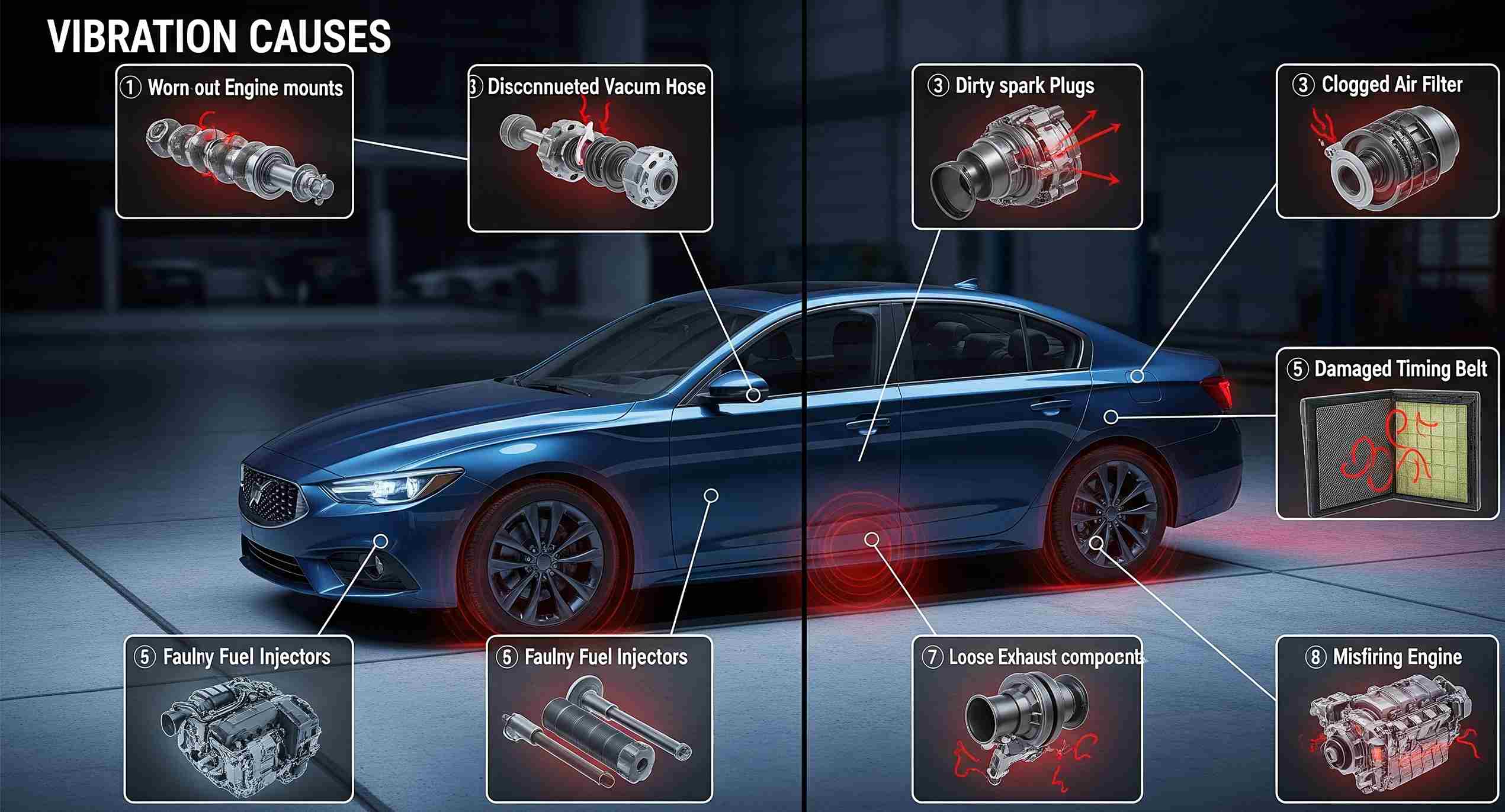
If your car starts to shake or vibrate when it’s idling, it can be both unsettling and concerning. As an experienced automotive writer, I’m here to tell you that understanding why this happens is key to resolving the issue quickly and avoiding costly repairs down the line. Rest assured, most idle vibrations are manageable with proper diagnosis and attention.
So, what causes a car to vibrate when it’s just sitting still? The simple answer is that vibration typically results from issues in the engine, transmission, or related components, affecting your vehicle’s smoothness and performance. Whether it’s an uneven idle, misfiring engine, or worn-out parts, knowing the root cause is crucial for effective solutions.
In this article, I’ll walk you through the common reasons behind car vibrations at idle, how to diagnose them, and what actionable steps you can take. Keep reading—you’ll learn practical tips to identify, troubleshoot, and fix the problem like a pro.
Top Reasons Your Car Vibrates When Idle: Causes, and How to Fix Them
1. Uneven or Faulty Spark Plugs
Definition: Spark plugs ignite the fuel-air mixture in your engine cylinders, enabling smooth combustion. When they become worn, dirty, or faulty, engine misfires happen, leading to vibrations.
Why it causes vibrations:
- Misfiring cylinders cause uneven power delivery.
- The engine runs rough at idle, resulting in noticeable shaking.
How to check and fix:
- Remove and inspect spark plugs for wear, carbon build-up, or damage.
- Replace faulty spark plugs according to manufacturer specifications.
- Use high-quality plugs compatible with your engine.
Pro Tip: Regular ignition system maintenance helps prevent misfires.
2. Dirty or Clogged Fuel Injectors
Definition: Fuel injectors deliver fuel into the engine’s combustion chambers. When clogged, they disrupt fuel flow, causing irregular combustion.
Why it causes vibrations:
- Poor fuel atomization results in engine misfire and rough idle.
- The engine may hesitate or shake during idle.
Steps for resolution:
- Use specialized fuel injector cleaner or have them professionally cleaned.
- Replace injectors if cleaning doesn’t restore proper function.
Extra Tip: Periodic fuel system cleaning maintains smooth engine operation.
3. Vacuum Leaks
Definition: Vacuum leaks occur when unmetered air enters the engine’s intake manifold, disrupting the air-fuel ratio.
Significance:
- Causes the engine to run lean (too much air, too little fuel).
- Leads to rough idling, hissing sounds, or vibrating sensation.
How to identify and fix:
- Inspect vacuum hoses for cracks or disconnections.
- Use a smoke machine for leak detection.
- Replace damaged hoses and seal leaks properly.
Why it matters: A balanced air-fuel mixture is key to engine longevity and smooth operation.
4. Worn Out Engine Mounts
Definition: Engine mounts secure your engine to the chassis and absorb engine vibrations.
Impact of wear:
- If broken or loose, vibrations transmit directly to the cabin.
- You might notice excessive bouncing or shaking, especially at idle.
Inspection and fix:
- Visually inspect mounts for cracks or deterioration.
- Replace worn mounts promptly to restore stability.
Additional insight: Fresh mounts improve comfort and protect other engine components.
5. Idling Control Valve or Throttle Body Issues
Definition: The idle air control valve (IAC) or throttle body manages engine idle speed.
Why problems happen:
- Dirt or carbon buildup hinders airflow regulation.
- Results in unstable idle and vibration.
Remedy:
- Clean the throttle body and IAC valve thoroughly.
- Replace faulty components if cleaning doesn’t help.
Tip: Regular cleaning ensures your engine idles smoothly.
6. Dirty or Failing fuel filters
Definition: Fuel filters prevent debris from reaching injectors but can become clogged over time.
Why this causes vibrations:
- Clogged filters restrict fuel flow, causing inconsistent engine performance at idle.
Solution:
- Replace fuel filters at manufacturer-recommended intervals.
- Use quality filters suited for your car model.
Worth noting: Proper fuel management is vital for engine health.
7. Worn or Dirty Air Filters
Definition: Air filters prevent dust and debris from entering the engine.
Effect of poor maintenance:
- Reduced airflow affects combustion efficiency, leading to rough idle.
Actions:
- Replace air filters regularly.
- Consider upgrading to high-performance filters if necessary.
Benefit: Cleaner air means smoother engine operation.
8. Electrical Problems (Sensors & Wiring)
Key components involved:
- Mass airflow sensor (MAF)
- Throttle position sensor (TPS)
- Engine control unit (ECU)
Why it causes vibrations:
- Faulty sensors send incorrect data, causing mismanagement of engine parameters.
- Resulting in rough or vibrating idle.
Diagnosis tips:
- Use an OBD-II scanner to check for fault codes.
- Replace malfunctioning sensors.
Summary: Well-maintained sensors are essential for engine stability.
Tips for Ensuring Smooth Engine Idle
- Regularly service your vehicle, especially ignition, fuel, and air systems.
- Use quality fuel and keep fuel system components clean.
- Stick to maintenance schedules for replacing filters and mounts.
- Conduct periodic diagnostic scans to catch sensor issues early.
- Keep vacuum hoses and connections in good condition.
Common Mistakes to Avoid
- Ignoring early signs of engine misfire or rough idling.
- Using inexpensive or incompatible replacement parts.
- Delaying maintenance tasks like filter or spark plug replacements.
- Overlooking sensor or wiring issues during troubleshooting.
Variations and Related Issues
- Vibrations that only occur during acceleration may point to different issues like CV joint problems.
- Persistent vibrations even when driving could involve wheel alignment or suspension issues.
- Engine vibrations that worsen over time might indicate internal engine damage or timing problems.
Why It Matters
Vibrations at idle aren’t just annoying—they can be indicators of serious mechanical problems. If left unchecked, they might lead to costly repairs or even engine failure. By understanding and addressing the underlying causes, you ensure your vehicle remains reliable, safe, and efficient.
Final Words
Dealing with a vibrating car while idling might seem daunting at first, but most causes are straightforward to diagnose and fix. Regular maintenance, attentive inspection, and timely repairs can prevent many of these issues, saving you money and giving you peace of mind on the road. Remember, a smooth ride begins with a well-functioning engine!
Stay proactive about your vehicle’s health. If your car vibrates when idle, start troubleshooting the common causes listed here today. Your engine—and your wallet—will thank you!
