

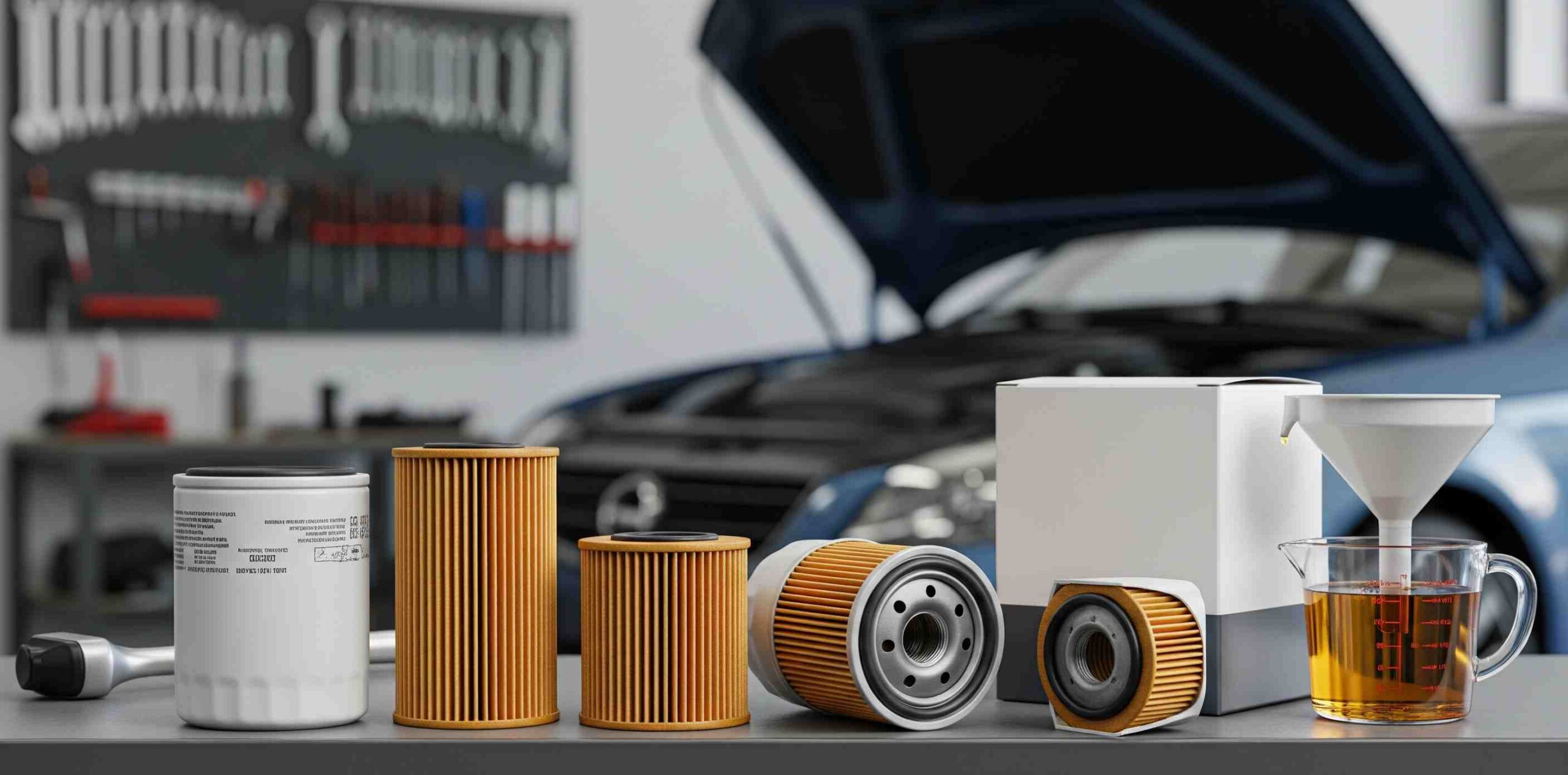
When it comes to keeping your vehicle running smoothly, choosing the right oil filter is crucial. As a seasoned automotive enthusiast, I’m confident I can provide you with accurate insights into whether NAPA oil filters are worth your investment. Rest assured, I’ll cover everything you need to know—facts, features, pros, cons, and tips—to help you decide if NAPA oil filters are the right choice for your car.
So, are NAPA oil filters good? In short, yes. NAPA oil filters are generally reliable, offering good filtration, durability, and affordability. They use quality materials and meet industry standards, making them a solid option for most vehicles. However, like any product, they have their limitations, and understanding these can help you make an informed decision.
If you’re curious about how NAPA oil filters compare to other brands, what features set them apart, and how to choose the best filter for your vehicle, keep reading. This guide will give you a detailed breakdown, practical tips, common pitfalls to avoid, and insights on optimizing your vehicle’s maintenance routine.
What Are NAPA Oil Filters? An In-Depth Look
NAPA, a trusted name in automotive parts, offers a wide range of oil filters designed to protect your engine from dirt, debris, and harmful contaminants. But what exactly makes NAPA filters stand out? Let’s define some key terms to understand their products better.
Key Terms
| Term | Definition |
|---|---|
| Oil Filter | A device that removes contaminants from engine oil to ensure smooth operation and longevity. |
| Pleated Media | A type of filter element that increases surface area for better filtration. |
| Anti-Drainback Valve | A component preventing oil from draining out of the filter when the engine is off, ensuring quick oil flow during startup. |
| Bypass Valve | Allows unfiltered oil to bypass the filter if the media becomes clogged, protecting engine lubrication. |
What NAPA Oil Filters Offer
- High-Quality Filtration Media: Most NAPA filters feature cellulose or synthetic media providing efficient dirt and debris capture.
- Durability and Build Quality: Designed to withstand high pressure and temperature, ensuring consistent performance.
- Cost-Effectiveness: Positioned as affordable yet reliable, perfect for budget-conscious car owners.
- Compatibility: Wide range of filters suitable for various makes and models.
How NAPA Oil Filters Work — A Quick Breakdown
- The filter’s pleated media captures dirt particles.
- Anti-drainback valves prevent oil from leaking back when the engine is off.
- Bypass valves ensure engine lubrication even if the filter is clogged.
- The filter is replaced during oil changes to keep the engine clean.
Summary: NAPA oil filters deliver solid performance for everyday driving, with features aimed at protecting your engine reliably without breaking the bank.
Comparing NAPA Oil Filters to Other Brands: What Sets Them Apart?
While NAPA filters are dependable, how do they stack up against premium brands like Bosch, K&N, or Mobil 1? Here’s a comparative table highlighting key differences:
| Feature | NAPA Oil Filters | Bosch Premium Filters | K&N Oil Filters | Mobil 1 Oil Filters |
|---|---|---|---|---|
| Filtration Media | Cellulose and synthetic blend | Synthetic media, high filtration efficiency | Synthetic, washable media | Synthetic media with advanced filtration |
| Filtration Efficiency | Moderate to high (98-99%) | Very high (99%) | High (98-99%) | Very high (99%) |
| Build Quality | Good, durable but budget-friendly | Superior, premium construction | Very durable, reusable design | Premium materials, high durability |
| Price | Affordable | Slightly higher | Slightly higher | Higher but offers extended performance |
| Suitability | Daily driving, budget-conscious users | Enthusiasts, high-performance driving | Performance and reusable options | High-performance vehicles |
Insight: NAPA filters are excellent for daily drivers and those seeking reliable, budget-friendly options. Premium brands may offer higher filtration efficiency and durability but at a higher price point.
Tips for Success: Maximizing Your Oil Filter’s Performance
- Choose the Correct Filter Size: Always verify your vehicle’s make and model to select the right filter. Consult your owner’s manual or NAPA’s catalog.
- Replace During Every Oil Change: Don’t skip this step. Regular replacement prevents engine wear and maintains optimal performance.
- Use the Right Oil: The filter works best with the recommended oil type. Mixing incompatible oils can reduce the filter’s lifespan.
- Inspect for Leaks: After installation, check for oil leaks or unusual sounds, indicating proper fit and function.
- Consider High-Performance Filters for Heavy Use: For towing, racing, or extreme conditions, upgrade to specialized filters for added protection.
Common Mistakes to Avoid with NAPA Oil Filters
- Using the Wrong Filter Size: This can lead to poor filtration or leaks. Always double-check specifications.
- Ignoring Regular Replacement: Waiting too long between changes can cause dirt buildup and engine damage.
- Overtightening the Filter: This can damage the gasket or housing; tighten just enough to seal properly.
- Skipping Proper Installation Checks: Inspect the gasket and ensure the filter seats correctly to prevent oil leaks.
Variations and Upgrades: What Else is Out There?
Besides standard NAPA filters, you can explore:
- Synthetic Oil Filters: Offer better filtration and longevity, especially for high-mileage or performance vehicles.
- Reusable Filters: Designed for those who prefer eco-friendly and cost-effective options, though they require cleaning.
- Performance Filters: Such as high-flow filters for racing or towing.
Why Does It Matter? The Significance of a Good Oil Filter
Choosing the right oil filter, like NAPA, directly affects your engine’s health and longevity. An underperforming filter can allow dirt and debris into your engine, causing premature wear, reduced fuel efficiency, and costly repairs. Conversely, a quality filter ensures clean oil circulation, protecting vital components and maintaining optimal performance.
Final Thoughts
In conclusion, NAPA oil filters are a dependable choice for most drivers seeking affordable, reliable engine protection. They offer good filtration, durable construction, and ease of installation. While premium brands might boast higher efficiency or materials, NAPA’s value makes it a smart option for everyday driving.
If you prioritize consistent maintenance that’s budget-friendly, NAPA oil filters are worth considering. Just remember to replace them regularly and choose the correct model for your vehicle. Your engine will thank you!
Disclaimer: Always consult your vehicle’s manual and consider your driving conditions when selecting an oil filter. Proper maintenance not only extends your engine’s life but also ensures your safety on the road.
Want to keep your engine happy? Choosing the right oil filter, like NAPA, is a smart step. Stay informed, follow best practices, and your car will serve you well for miles to come.
If you found this guide helpful, share it with fellow car enthusiasts and keep your vehicle in top shape!
