

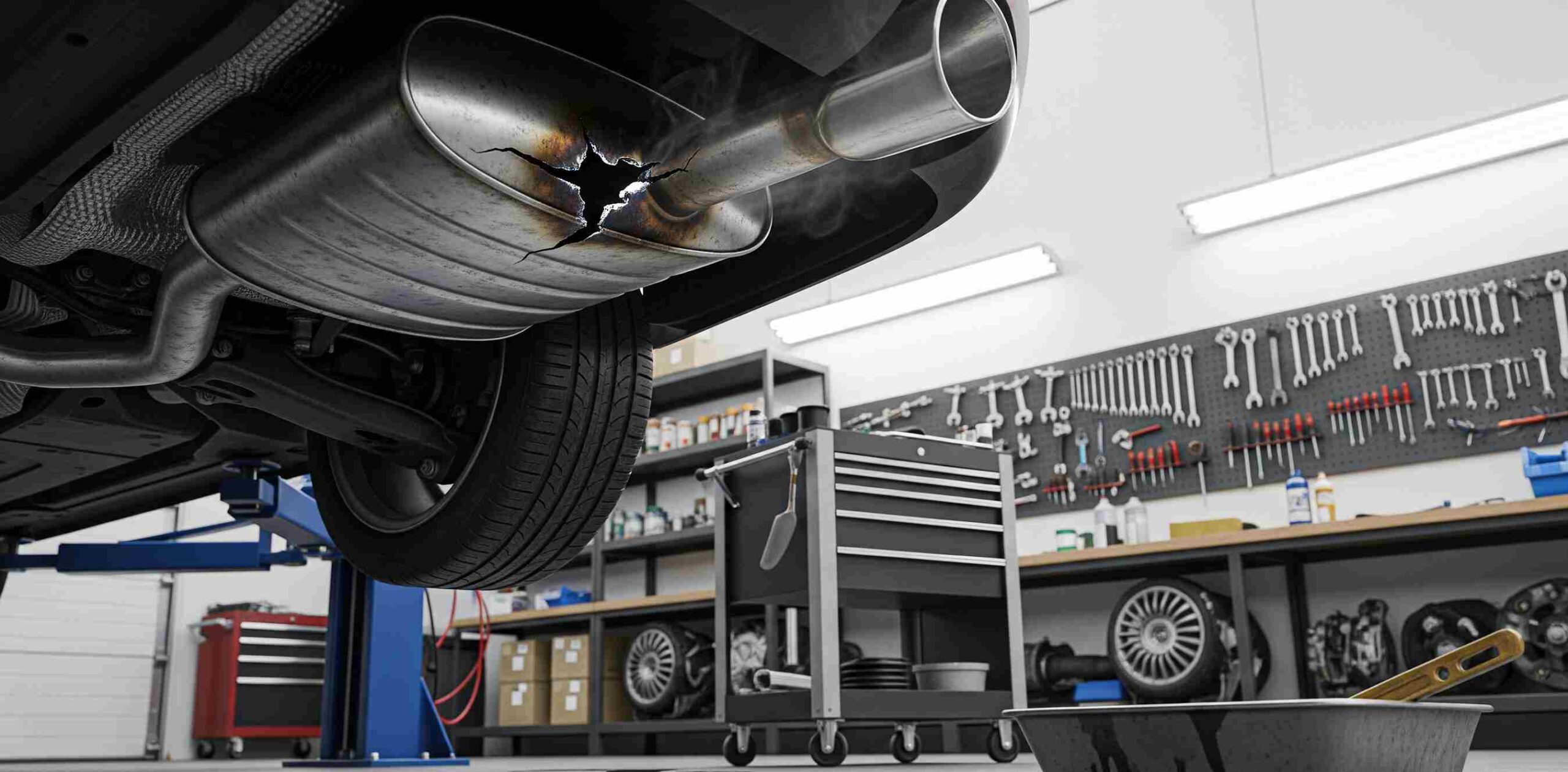
Ever notice your car feeling sluggish or not responding as it should? Many drivers wonder if something like an exhaust leak could be behind the loss of power. As an experienced automotive writer, I can tell you with confidence that exhaust leaks can indeed affect your vehicle’s performance — but how and why? Let’s dive into the details.
So, can an exhaust leak cause a loss of power?
Yes, an exhaust leak can lead to a noticeable loss of engine power, especially when it occurs in crucial parts of the exhaust system like the manifold or the catalytic converter. The leak disrupts exhaust flow and engine efficiency, resulting in reduced performance, sluggish acceleration, and sometimes even engine stalling.
Intrigued? Continue reading to discover how exhaust leaks impact your engine, the signs to watch for, and what steps you should take if you suspect a leak.
What Is an Exhaust Leak and Why Does It Matter?
An exhaust leak is a fracture or hole in the exhaust system that allows exhaust gases to escape before reaching the tailpipe. This issue might seem minor but can have significant effects on engine performance and vehicle safety.
Definition of Key Terms
- Exhaust System: The network of pipes, catalytic converter, muffler, and other components that guide exhaust gases away from the engine.
- Exhaust Leak: A crack or hole in any part of this system, allowing gases to escape prematurely.
- Engine Backpressure: The resistance against exhaust gases leaving the combustion chamber; an essential factor for proper engine functioning.
How Does an Exhaust Leak Affect Performance?
- Disrupted exhaust flow
- Loss of backpressure, leading to reduced power
- Increased emissions
- Potential for engine damage over time
Why Do Exhaust Leaks Occur?
Common causes include corrosion, rust, physical damage from road debris, or faulty installation. Regular wear and tear can lead to small cracks initially, which worsen over time if not addressed.
Critical Impact of Exhaust Leaks on Engine Power
Many drivers overlook exhaust leaks, assuming they’re minor. However, the consequences on engine performance can be severe. Here’s how an exhaust leak causes loss of power:
How Exhaust Leaks Disrupt Engine Function
| Factor | Impact | Result |
|---|---|---|
| Reduced Backpressure | Exhaust gases escape prematurely, reducing pressure in the exhaust system | Sluggish acceleration, poor throttle response |
| Sensor Malfunctions | Oxygen sensors measure incorrect air-fuel ratio due to leaks | Inefficient combustion, higher emissions |
| Incorrect ECM Readings | Engine control modules adjust fuel based on sensor data | Poor engine performance, stalling |
| Increased Exhaust Noise | Leaks produce louder noise that might distract or signal issues | Indirect sign of potential performance loss |
Additional Effects on Combustion Efficiency
An exhaust leak can send incorrect signals to the engine control unit (ECU), leading to improper fuel injection and ignition timing adjustments. Over time, this reduces overall power and fuel economy.
Signs and Symptoms of an Exhaust Leak Causing Power Loss
Detecting an exhaust leak early can save you from costly repairs and safety issues. Here are the common signs to look out for:
Recognizing an Exhaust Leak
- Loud Exhaust Noise: A hissing or popping sound, especially around engine bay or underneath the vehicle.
- Reduced Fuel Efficiency: Noticeable drop in miles per gallon.
- Poor Acceleration or Power Loss: Feeling sluggish even when pressing the accelerator.
- Unusual Vibrations: Increased vibrations or unsteady engine idle.
- Burning Smell: Exhaust gases sensing like burnt rubber or chemicals inside the car.
- Check Engine Light: Often triggers due to sensors detecting abnormal exhaust flow.
When to Seek Professional Help
If you notice persistent power loss combined with any signs above, it’s time for an inspection. Remember, driving with a significant exhaust leak can be dangerous due to harmful emissions entering the cabin and potential fire hazards.
Diagnosing and Repairing Exhaust Leaks
Proper diagnosis is crucial for effective repair. Here’s a step-by-step guide, along with tips for success.
Diagnostic Steps
- Visual Inspection: Check for rust, cracks, or holes in the exhaust system.
- Listen for Leaks: Use a mechanic’s stethoscope or listen near the engine and exhaust for hissing sounds.
- Smoke Test: A professional may introduce smoke into the exhaust to see where it escapes.
- Check Sensors: Scan for trouble codes related to oxygen sensors or exhaust system performance.
Repair Strategies
- Seal Small Cracks: Use high-temperature sealant for minor leaks.
- Replace Damaged Sections: Replace exhaust pipes, gaskets, or the catalytic converter if severely compromised.
- Upgrade Components: Consider stainless steel exhaust parts for durability.
- Regular Maintenance: Schedule routine inspections to prevent leaks from worsening.
Tips for Ensuring Exhaust System Longevity
- Regular Inspections: Check exhaust components during oil changes or routine service.
- Avoid Road Damage: Drive carefully to avoid hitting curbs or debris that can cause damage.
- Use Quality Parts: Always opt for OEM or high-quality aftermarket parts.
- Address Issues Promptly: Don’t delay repairs when leaks or damage are detected.
Common Mistakes and How to Avoid Them
| Mistake | Consequences | How to Avoid |
|---|---|---|
| Ignoring minor leaks | Can lead to severe engine damage, increased emissions, and safety hazards | Regular inspections, listen for unusual sounds |
| Using low-quality repair materials | Short-term fix that might fail quickly | Invest in high-temperature, durable sealants or parts |
| Delaying professional diagnosis | Worsening damage, increased repair costs, safety risks | Seek expert help early when symptoms appear |
Similar Variations and Why They Matter
- Cat-back Exhaust Systems: These are aftermarket upgrades that can improve performance but may create similar leaks if not installed properly.
- Header Wraps: Used to isolate headers for heat management but can deteriorate over time, causing leaks.
- Resonators: Designed to modify exhaust tone, but leaks here can also influence power and emissions.
Understanding these variations helps in managing overall exhaust system health and performance.
Why Your Exhaust System Matters to You
Your vehicle’s exhaust system isn’t just about emissions — it directly affects engine performance, fuel economy, and safety. An exhaust leak may seem minor but can cause significant issues, including loss of power that hampers your daily driving experience.
The Bottom Line
An exhaust leak can indeed cause loss of power. Recognizing early signs and addressing them promptly is essential for maintaining your vehicle’s health and ensuring safe, efficient driving.
In conclusion, don’t ignore the signs of exhaust issues. Regular check-ups and timely repairs not only restore optimal power but also help protect the environment and your safety. Keep an ear out for unusual noises, monitor your fuel economy, and schedule professional inspections when needed. Your engine—and your wallet—will thank you.
Remember: The health of your exhaust system plays a pivotal role in your vehicle’s overall performance. Stay proactive, and keep your ride running smooth!
If you’re ever in doubt about your exhaust system’s health, consult a trusted mechanic. Your car’s power and your safety depend on it!
