

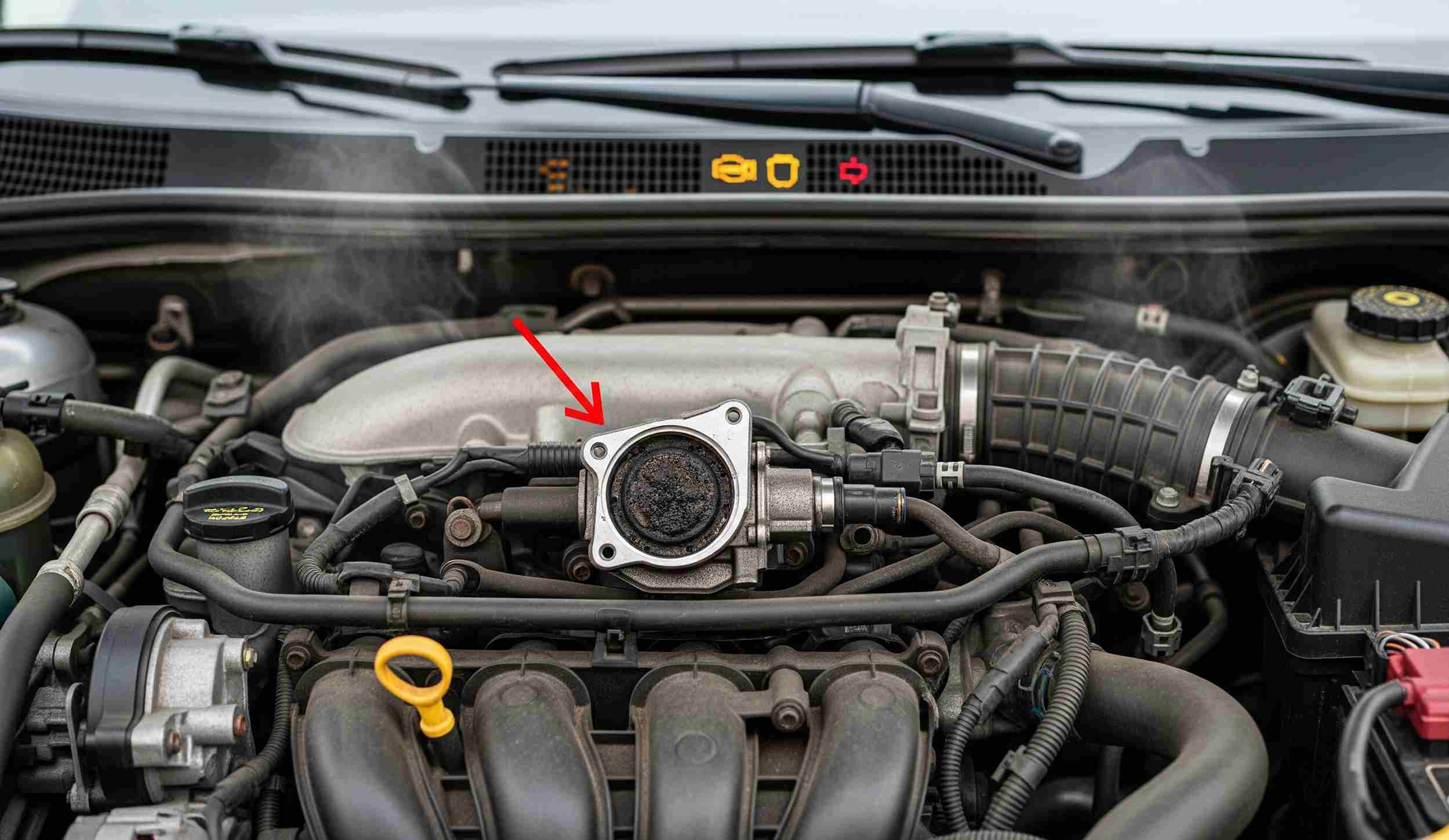
If you’re wondering whether it’s safe or wise to drive your car with a malfunctioning EGR valve, you’re not alone. Many drivers face this question when their vehicle begins showing signs of EGR issues, and understanding the risks and consequences is crucial. Rest assured, I’m here to give you the most accurate, straightforward info so you can make an informed decision.
First, let’s clarify the core question: Can I drive with a bad EGR valve? The simple answer is, it depends on the severity of the problem. In most cases, driving with a faulty EGR valve is not advisable because it can cause engine damage and impact driving safety. However, short trips at low speeds might be manageable temporarily, but it’s not a long-term solution. Stick around, and I’ll explain why this component matters, what signs to look for, and how to handle bad EGR valves effectively.
In this article, I’ll break down everything you need to know about the EGR valve, its importance, symptoms of failure, and the best actions to take if it’s acting up. Knowledge is power, and understanding your car’s EGR system can save you money and headaches later on.
What Is an EGR Valve? Understanding Its Role in Your Car
The Exhaust Gas Recirculation (EGR) valve is a key part of your vehicle’s emission control system. Its main job is to reduce nitrogen oxide (NOx) emissions by recirculating a portion of your engine’s exhaust gases back into the combustion chamber. This process helps lower the combustion temperature, thereby diminishing harmful pollutants released into the atmosphere.
Why the EGR Valve Is Crucial
- Emission Control: Limits NOx emissions which contribute to smog and acid rain.
- Engine Efficiency: Helps optimize combustion, improving fuel economy.
- Engine Longevity: Reduces engine knocking and overheating.
How the EGR Valve Works
The EGR valve opens and closes based on engine demands, controlled by an electronic sensor and vacuum or electric motor, depending on your vehicle model. When functioning properly, it allows exhaust gases to flow back into the intake manifold at the right times, aiding smooth operation.
Common Signs of a Bad EGR Valve
Understanding the symptoms of a failing EGR valve can prevent further damage and keep your car running smoothly. Here are the typical indicators:
| Symptom | Explanation |
|---|---|
| Check Engine Light | Often illuminates due to EGR-related error codes. |
| Rough Idling | Engine may stall or run unevenly at stop signs. |
| Engine Knocking | Unusual knocking sounds during acceleration. |
| Increased Emissions | Smell of exhaust fumes or failing emissions tests. |
| Reduced Fuel Economy | Noticeable drop in miles per gallon. |
| Poor Acceleration | Hesitation or sluggish response when you press the gas pedal. |
| Engine Stalling | Car stalls unexpectedly, especially at idle or low speeds. |
Remember: Not all these symptoms appear simultaneously. Sometimes, a bad EGR causes subtle issues that worsen over time.
Can You Drive with a Bad EGR Valve? The Honest Truth
Now, let’s address the biggest question directly: Can I drive with a bad EGR valve? The answer is nuanced.
In most cases, driving with a faulty EGR valve is possible temporarily but not advisable. If the EGR valve is just slightly malfunctioning—causing minor rough idling or emission issues—you might get by with caution. However, if the valve is clogged, stuck open, or closed, it can lead to significant engine problems, including knocking, poor performance, or even engine damage.
Warning: Driving with a severely bad EGR valve can result in increased emissions, failure to pass inspection, engine knocking, and long-term damage, which could be costly to repair.
What Happens if You Ignore a Bad EGR Valve?
- Engine Damage: Excessive heat and knocking may damage pistons or valves.
- Increased Emissions: Risk of failing emissions tests.
- Reduced Performance: Acceleration issues and stalling.
- Potential Safety Risks: Sudden stalls could be dangerous in traffic.
Pro Tip: Always get your vehicle inspected promptly if you notice symptoms. Continuing to drive can exacerbate issues and lead to more expensive repairs.
Key Factors To Consider Before Driving with a Bad EGR Valve
| Factor | Impact | Recommended Action |
|---|---|---|
| Severity of symptoms | Mild vs. severe issues | If minor, cautious driving might be ok temporarily. Severe symptoms require immediate repair. |
| Vehicle age and condition | Older cars may tolerate issues slightly longer | Prioritize fixing or replacing as soon as possible. |
| Local emission laws | Possible failure in emission testing | Avoid driving long distances until repaired. |
How To Handle a Faulty EGR Valve
If your EGR valve shows signs of malfunction, follow these steps to address the issue effectively:
- Diagnostic Check:
- Use an OBD-II scanner to read error codes related to EGR problems (e.g., P0401, P0402).
- Visual Inspection:
- Look for carbon deposits, dirt, or damage on the valve and related hoses.
- Cleaning the EGR Valve:
- Remove and clean using appropriate throttle body cleaner.
- Testing the Valve:
- Check if the valve opens and closes properly using vacuum tests or electronic testing tools.
- Replace if Needed:
- If cleaning doesn’t restore function, replace the EGR valve to prevent further issues.
Tips for Success in Managing EGR Valve Problems
- Regular Maintenance: Incorporate EGR cleaning into routine service.
- Use Quality Fuel: Helps prevent carbon buildup that affects the EGR system.
- Monitor Dashboard Alerts: Pay attention to warning lights.
- Drive Gently: Avoid harsh accelerations when symptoms first appear.
- Professional Diagnosis: When in doubt, consult a mechanic for accurate assessment.
Common Mistakes to Avoid
- Ignoring Symptoms: Small issues grow into expensive repairs if left unchecked.
- Using Harsh Cleaners or Improper Tools: Can damage the EGR valve or related parts.
- Delaying Replacement: Running a faulty EGR for extended periods causes more harm.
- Attempting DIY Repairs Without Proper Knowledge: Can worsen problems or create safety hazards.
Variations and Upgrades for EGR Systems
Some modern vehicles feature different types of EGR systems or variants, such as:
- TIMED EGR Valves: Operate based on specific engine timing parameters.
- Electronic EGR Valves: Controlled electronically for precision.
- Intelligent EGR Systems: Use sensors for optimized operation, improving efficiency.
Note: Upgrading or modifying EGR components should be done professionally to ensure compatibility and compliance with emission standards.
Why Your EGR System Matters
The EGR valve plays an essential role not just in keeping emissions low but also in maintaining engine health. Faulty EGR valves can lead to engine knocking, increased fuel consumption, and higher emissions—all of which impact your vehicle’s performance and your wallet.
Understanding your vehicle’s EGR system and addressing issues early on saves you money and headaches in the long run. Regular inspection and maintenance are key to ensuring these vital components function correctly.
Final Words: Should You Drive with a Bad EGR Valve?
In conclusion, while you might be able to drive temporarily with a malfunctioning EGR valve, it’s not recommended. Ignoring symptoms can lead to expensive repairs and potential safety risks. The best practice is to diagnose the problem early, perform necessary maintenance or replacements, and keep your vehicle running efficiently.
Taking control now ensures you won’t be caught off guard by engine stalls, emissions failures, or costly damage. Remember: when in doubt, consult a trusted mechanic — your car will thank you!
Want to keep your vehicle running smoothly? Regular EGR inspections and prompt repairs are your best investments. Stay safe, stay informed!
