

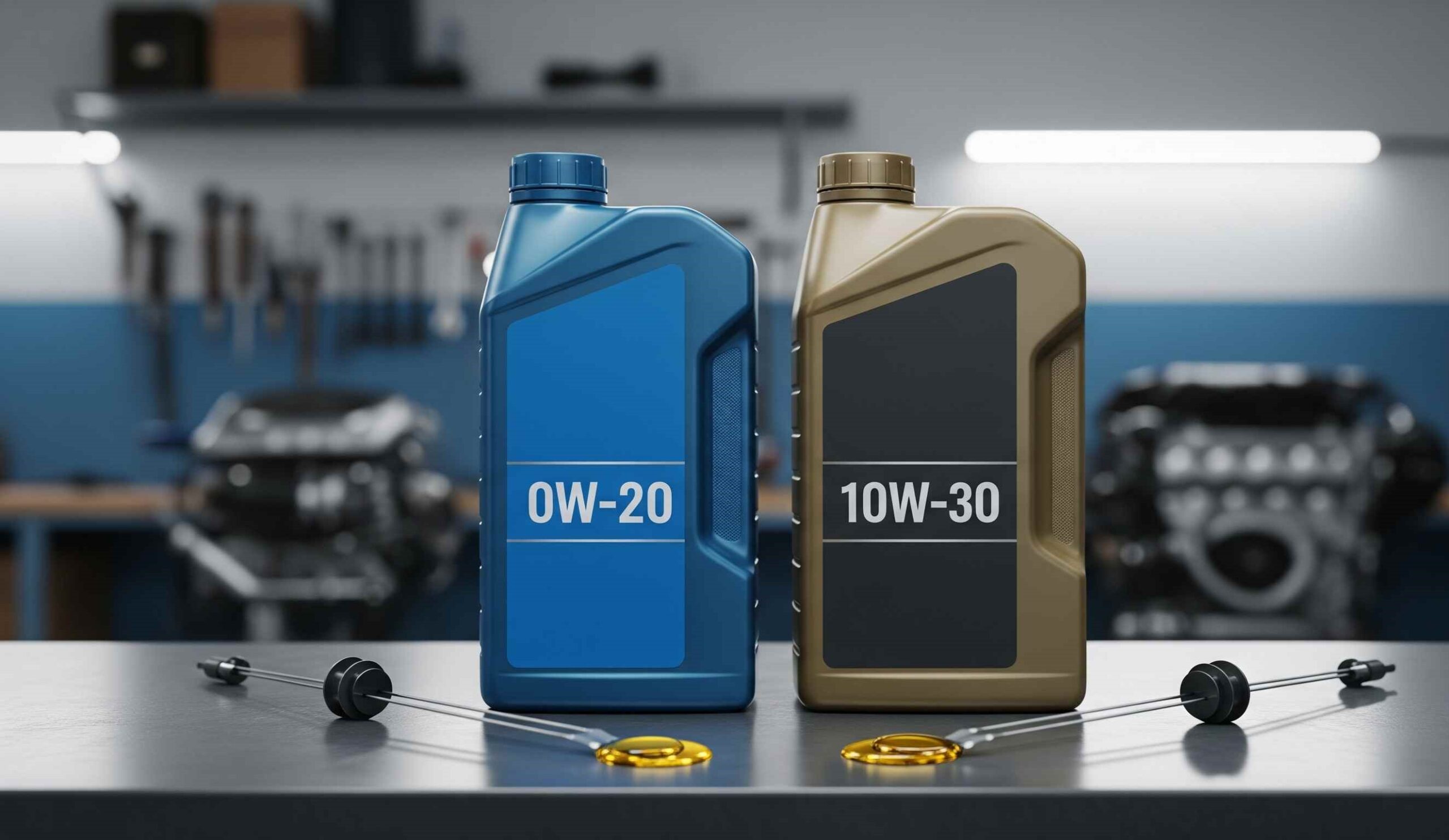
Have you ever found yourself in a pinch at the store, wondering if you can swap your typical oil for something different? Rest assured, you’ve come to the right place. I’m here to give you the most accurate, straightforward advice on whether using 10W-30 instead of 0W-20 is a good idea or not.
Let’s cut to the chase: Can I use 10W-30 instead of 0W-20? In most cases, no. While both are engine oils, they have different viscosities suited for specific conditions. Using 10W-30 instead of 0W-20 can cause engine performance issues, especially in colder climates. Keep reading to understand why that is and what you should consider before switching lubricants.
Intrigued? I’ll walk you through what these oils mean, their differences, risks of substituting them, and expert tips to keep your engine running smoothly. Plus, I’ll share common pitfalls to avoid and alternatives that might suit your needs better.
Understanding Engine Oil Viscosity: 0W-20 vs. 10W-30
When it comes to engine oils, viscosity is king. It dictates how well an oil flows at different temperatures, directly impacting engine health and performance. Here’s a breakdown of these two types:
What Is Viscosity?
Viscosity refers to an oil’s resistance to flow. Think of it like honey versus water—honey is thick, water is thin. In engine oils, viscosity ratings tell you how the oil behaves in cold startup and hot engine conditions.
Breakdown of 0W-20 and 10W-30
| Property | 0W-20 | 10W-30 |
|---|---|---|
| Viscosity Rating | Multi-grade oil, low temp rated at 0W | Multi-grade oil, cold temp rated at 10W |
| Cold Start Viscosity | Flows easily in cold weather | Slightly thicker at low temps |
| Hot Temperature Viscosity | Thin oil suited for fuel efficiency | Thicker oil for high-temperature stability |
| Performance Focus | Fuel economy, engine efficiency | Power, protection at higher temperatures |
Why it matters: Choosing the right viscosity helps your engine perform efficiently, reduces wear, and extends lifespan.
Is It Safe to Substitute 10W-30 for 0W-20?
Short Answer: No, generally, you should not replace 0W-20 with 10W-30 without considering engine specifications. Using 10W-30 instead of 0W-20 can cause reduced fuel economy, poor cold-start performance, and potential engine wear over time.
Why the Difference Matters
- Cold Temperatures: 0W-20 is designed to flow easily in cold climates, ensuring faster start-up and better lubrication. 10W-30 is thicker at low temps, risking harder starts and increased wear.
- Engine Design Compatibility: Modern engines optimized for 0W-20 might not tolerate heavier oil well, leading to issues like decreased fuel efficiency or increased engine stress.
- Fuel Efficiency: Thicker oils create more resistance, which can reduce MPG.
- Protection and Wear: Thicker oils may cause insufficient lubrication in some engine parts, especially during cold starts.
When Can You Consider Using 10W-30?
In certain cases, if your vehicle’s manufacturer explicitly states that a broader viscosity range is acceptable, or if you’re using it in warm climates where thickening oils are preferable, using 10W-30 might be safe — but only after consulting your owner’s manual or mechanic.
Why Choosing the Right Oil Is Crucial
Your car’s engine is like your body’s heart — it needs the correct fuel and lubrication to work optimally. The right viscosity ensures:
- Efficient fuel consumption
- Reduced engine wear and tear
- Smooth operation across seasons
- Longevity of engine components
Switching to an incompatible oil might save a few bucks short-term but can cost you serious money in repairs and decreased vehicle life.
Tips for Success When Choosing Engine Oil
- Always check your vehicle owner’s manual for recommended viscosity.
- Opt for high-quality oils from reputable brands.
- Switch oils only if you’re confident it meets your vehicle’s specifications.
- Consider climate when selecting oil viscosity: colder climates prefer lower W numbers, warmer climates favor higher ones.
- When in doubt, consult a trusted mechanic.
Common Mistakes and How to Avoid Them
| Mistake | Why It’s a Problem | How to Avoid It |
|---|---|---|
| Using oil with the wrong viscosity | Can impair engine performance or cause damage | Always follow manufacturer’s recommendations |
| Mixing different oil viscosities | Can cause inconsistent lubrication | Stick to a single recommended viscosity |
| Ignoring seasonal changes | Performance drops in temperature extremes | Switch oils seasonally as needed |
| Using generic oils without checks | Risk of poor engine performance | Verify oil specs and quality before use |
Variations and Alternatives
If you’re unsure about sticking rigidly to 0W-20 or 10W-30, consider:
- 5W-30: Often suitable for many engines, providing a balance between cold start and high-temperature performance.
- Synthetic vs. Conventional: Synthetics typically offer better viscosity stability across temperature ranges.
- Adding oil conditioners: Some products improve oil performance but check compatibility first.
Why It Matters: The Big Picture
Choosing the right engine oil is small but critical. It affects engine efficiency, longevity, and your wallet. Using a mismatched oil like 10W-30 instead of 0W-20 can lead to increased engine wear, poor fuel economy, and costly repairs over time.
Summary and Final Thoughts
In conclusion, unless your vehicle’s manufacturer explicitly states that a broader viscosity like 10W-30 can be used as a substitute for 0W-20, it’s best to stick with the recommended oil. Engine oils are formulated to optimize specific performance parameters, so choosing the correct one ensures your vehicle runs smoothly and lasts longer.
Remember, the best practice is always to consult your owner’s manual or a professional mechanic. Making informed choices today saves money and stress tomorrow!
Stay informed, keep your engine healthy, and always choose the right oil for your vehicle’s needs!
