

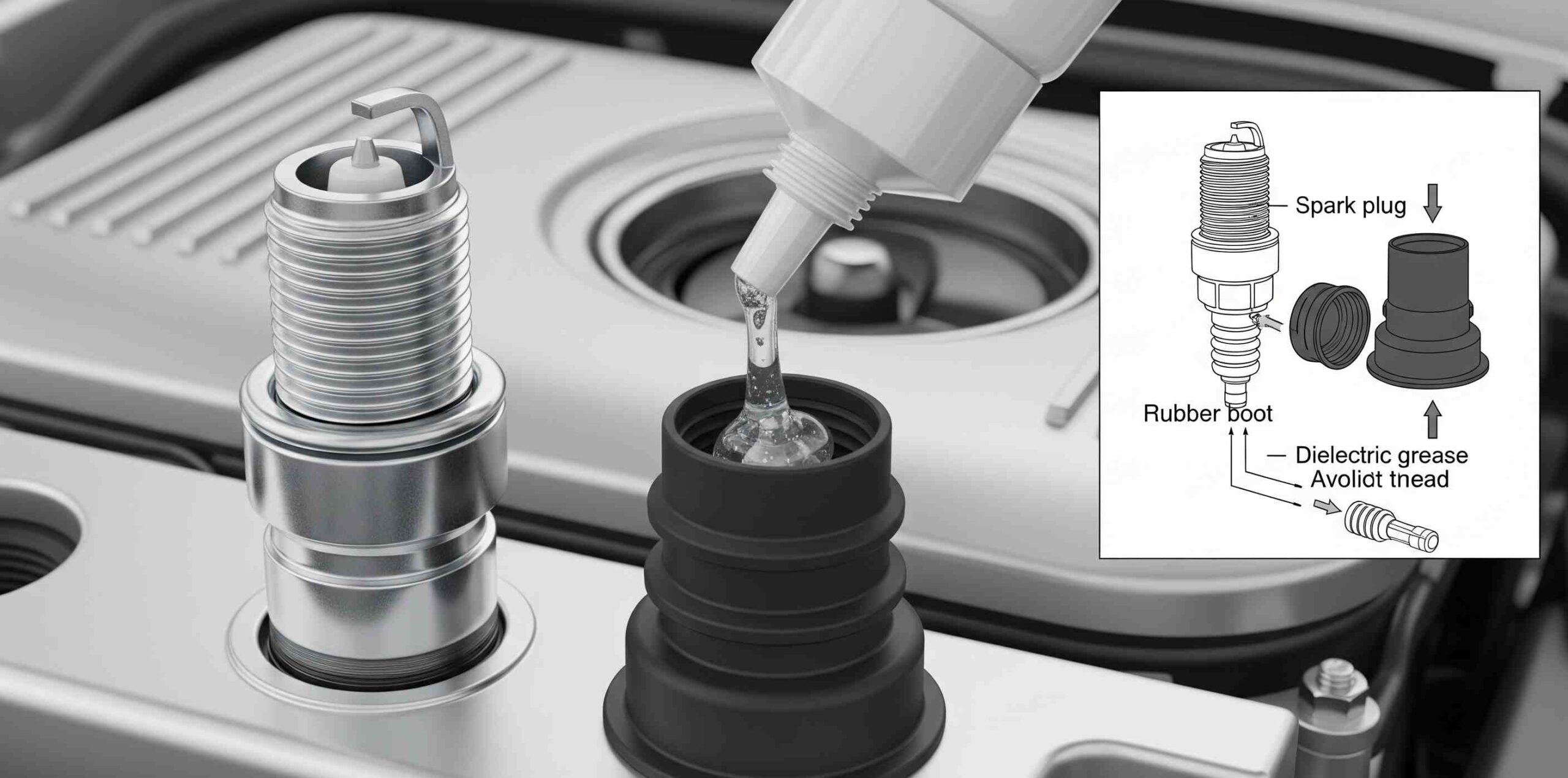
If you’re delving into automotive maintenance, chances are you’ve heard about dielectric grease and its supposed magic touch for spark plugs. But do you really need to use it? As an experienced automotive writer, I’m here to cut through the confusion and provide you with clear, accurate information you can trust.
The quick answer: Dielectric grease isn’t strictly necessary for spark plugs, but it can offer benefits such as improved electrical insulation and moisture protection. It’s mostly used to prevent corrosion and ensure better connectivity, especially in challenging weather conditions. Whether to use it depends on your vehicle, environment, and personal preferences.
By reading on, you’ll learn exactly what dielectric grease is, how it works with spark plugs, and whether it’s a wise choice for your vehicle’s performance and longevity. Plus, I’ll share tips on proper application, common mistakes to avoid, and alternatives you might consider.
What Is Dielectric Grease and Why Is It Used with Spark Plugs?
Definition & Function
Dielectric grease, also called insulating grease, is a silicone-based substance used to ensure electrical components remain insulated from moisture, dirt, and corrosion. When applied to spark plug boots, connectors, or terminals, it can help maintain a clean and efficient connection.
Key Terms & Clarifications
| Term | Definition |
|---|---|
| Dielectric grease | Silicone-based grease that prevents electrical conduction and moisture intrusion. |
| Spark plug | Device that ignites the air-fuel mixture in an engine to power the vehicle. |
| Spark plug boot | Rubber or silicone cover that insulates and protects the connection between the spark plug and ignition wire. |
Main Functions of Dielectric Grease in Spark Plug Maintenance
- Preventing moisture ingress which can cause misfires
- Protecting against corrosion and rust
- Easier removal of spark plugs during maintenance
- Improving electrical insulation of connections
Is It Necessary?
In short, dielectric grease is not a requirement for spark plugs. Modern spark plug boots are designed to seal tightly without additional lubrication. However, in certain conditions (like humid or salty environments), applying dielectric grease can be beneficial.
How to Properly Use Dielectric Grease on Spark Plugs
Step-by-Step Application
Identify the Components:
- Remove the spark plug wires or ignition coils.
- Locate the spark plugs and their boots.
Clean the Area:
- Wipe off any dirt, oil, or debris around the spark plug terminals.
- Ensure the socket and connectors are dry.
Apply the Grease:
- Use a small amount of dielectric grease.
- Apply a thin layer inside the spark plug boot, especially at the terminal end.
- Avoid getting grease on the contact tip of the spark plug itself, as this can interfere with spark conduction.
Reinstall the Spark Plug and Boots:
- Carefully seat everything back in place.
- Tug gently to ensure proper fit without over-tightening.
Key Tips for Success
- Use only a small amount; more isn’t better.
- Ensure the grease is compatible with silicone-based components.
- Avoid applying on high-voltage contact points that require good electrical conduction (like the electrode tip).
Data-Rich Comparison: With vs. Without Dielectric Grease
| Aspect | Using Dielectric Grease | Not Using Dielectric Grease |
|---|---|---|
| Moisture Resistance | Increased | Slightly lower, depends on boot design |
| Corrosion Protection | Better | Less protected against corrosion, especially in harsh environments |
| Ease of Maintenance | Easier removal, less sticking | Requires more effort, may cause sticking or damage during removal |
| Conductivity | Reduced electrical conduction at connection | Maintains maximum conductivity, but risk of moisture-related faults |
| Longevity | Potentially extends spark plug life | Standard lifespan, no added protection |
Note: The table highlights that while dielectric grease offers specific benefits, its necessity varies by vehicle and driving conditions.
Common Mistakes and How to Avoid Them
- Using Excess Grease: Applying too much can cause dirt buildup and impair electrical contact. Keep it minimal.
- Greasing the Contact Tip: The electrode must stay clean and free of grease for optimal spark conduction.
- Using the Wrong Type of Grease: Only use dielectric silicone-based grease. Other greases can cause damage or poor insulation.
- Ignoring Environmental Conditions: If you drive in wet or salty areas, applying dielectric grease can be more beneficial, whereas in dry climates, it may be unnecessary.
Variations & Alternatives to Dielectric Grease
- Heat-Resistant Greases: For high-performance or turbocharged engines, consider high-temp silicone greases.
- Electrical Contact Sprays: Some prefer electrical contact lubricants that conduct electricity; however, these are less common for spark plug boots.
- Anti-Seize Compound: Different from dielectric grease and used mainly on threads to prevent seizing, not insulation.
Why It Matters
Using the right materials during spark plug installation impacts vehicle safety, longevity, and performance. Proper application of dielectric grease can be a simple step towards preventing misfires and costly repairs.
Final Thoughts: Do You Need Dielectric Grease for Spark Plugs?
In conclusion, dielectric grease isn’t a must-have for spark plugs — but it’s an excellent addition in certain situations. If you often encounter moisture, road salt, or dirty conditions, applying it can help keep your engine running smoothly. For most everyday drivers in moderate climates, the factory sealed boots usually suffice.
Whether you choose to use dielectric grease or not, understanding its role empowers you to make smarter decisions when maintaining or upgrading your vehicle. Next time you’re changing spark plugs, consider whether a little dielectric grease might boost your engine’s reliability and performance.
Keep Your Vehicle Running Smoothly
Thanks for sticking with me! Remember, proper maintenance is key to longevity and performance. When in doubt, consult your vehicle’s manual and use quality parts. Happy driving!
Questions or tips about dielectric grease? Drop your comments below!
