

Introduction
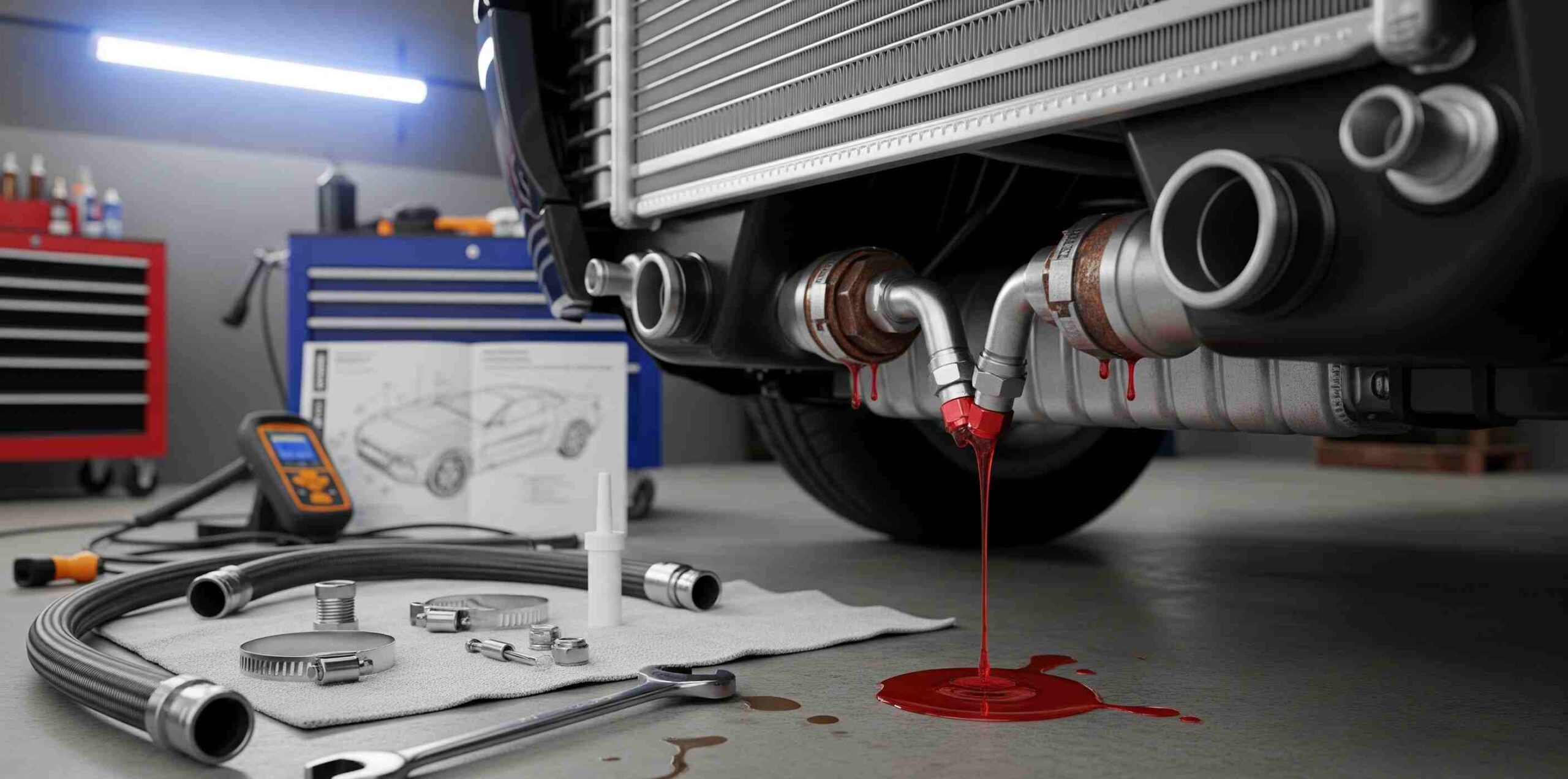
Ever notice transmission fluid leaking at your radiator? That’s a red flag alerting you to a potential issue with your vehicle’s cooling system. As trusted automotive enthusiasts, we’re here to offer you the clearest, most accurate information to handle this problem confidently.
So, the question is: Transmission cooler lines leaking at the radiator — how do you fix it? The straightforward answer: it often involves inspecting the lines, identifying the leak, and replacing or repairing the faulty parts using proper tools and techniques. Ignoring this can lead to serious transmission damage, so quick and correct fixing is essential.
Keep reading, because I’ll guide you through every step of diagnosing and fixing this common issue. You’ll learn about the causes, preventive measures, and detailed repair procedures to get your vehicle running smoothly again.
Understanding Transmission Cooler Lines and Their Role
What Are Transmission Cooler Lines?
- Definition: Rubber or metal lines that carry transmission fluid between the transmission and the radiator’s transmission cooler.
- Function: Help regulate transmission temperature by dissipating heat, preventing overheating.
- Components: Typically consist of metal hoses, rubber hoses, fittings, clamps, and sometimes quick-connects.
Why Are They Important?
- Protect transmission components from heat damage.
- Maintain optimal transmission fluid temperature for smooth gear shifting.
- Prevent fluid leaks that can cause transmission failure.
Common Causes of Leaking Transmission Cooler Lines
| Cause | Description | Warning Signs |
|---|---|---|
| Age and Wear | Over time, hoses and fittings degrade, crack, or become brittle. | Visible cracks or hardening |
| Corrosion | Metal parts corrode due to exposure to salt, moisture, or road grime. | Rusty or blistered fittings |
| Improper Installation | Incorrect torque or poor connection can cause leaks. | Drips near fittings or connections |
| Physical Damage | Impacts from debris, accidents, or rough terrain. | Visible dents or punctures |
| Over-Pressurization | Excess pressure can cause lines or fittings to blow out. | Sudden leaks or bursts |
Why Leaks Are a Big Deal
Leaking transmission cooler lines can lead to:
- Loss of transmission fluid
- Overheating of the transmission
- Severe transmission damage if not addressed promptly
How to Diagnose a Leak
- Check for puddles or drips under your vehicle.
- Look for oil spots around the radiator and transmission area.
- Notice if your transmission shifts roughly or slips.
- Inspect the lines visually for cracks or loose fittings.
Step-by-Step Guide to Fixing Transmission Cooler Line Leaks
Gather Necessary Tools and Parts
- Replacement transmission cooler lines
- Wrenches and pliers
- Drain pan
- Transmission fluid
- Clean rags
- Safety gloves and glasses
Ensure Safety First
- Park your vehicle on a level surface.
- Allow the engine to cool down.
- Disconnect the battery for safety.
Locate the Leaking Lines
- Identify the affected lines at the radiator connection point.
- Confirm the leak source through visual inspection.
Drain Excess Transmission Fluid
- Place a drain pan beneath the lines.
- Carefully disconnect the lines, allowing fluid to drain.
Remove Faulty Lines
- Using appropriate wrenches, loosen fittings.
- Carefully detach the leaking lines from fittings.
Inspect Fittings and Connectors
- Check for corrosion, damage, or debris.
- Replace any damaged fittings or connectors.
Install New Transmission Cooler Lines
- Connect the new lines securely to the fittings.
- Tighten fittings to manufacturer-recommended torque (refer to your vehicle’s service manual).
Refill Transmission Fluid
- Add the correct type and amount of transmission fluid.
- Check levels with the dipstick once the vehicle is running and warmed up.
Test the Repair
- Start the engine.
- Observe the lines for leaks.
- Take a short drive and re-inspect.
Final Check
- Double-check connections.
- Ensure no leaks remain.
Tips for Success
- Always refer to your vehicle’s service manual for specific torque specs.
- Use quality replacement parts compatible with your vehicle make and model.
- Clean fittings thoroughly before installation.
- Regularly inspect transmission lines as part of routine maintenance.
Common Mistakes and How to Avoid Them
| Mistake | Solution |
|---|---|
| Installing incompatible parts | Use OEM or high-quality aftermarket replacements. |
| Over-tightening fittings | Follow torque specifications precisely. |
| Ignoring minor leaks | Address small leaks immediately before they worsen. |
| Not inspecting the entire system | Check all connections and lines, not just the leaking spot. |
Similar Variations & Additional Repairs
- Upgrading to stainless steel lines for better durability.
- Replacing fittings with quick-connects for easier future service.
- Flushing the transmission system to remove contaminants after repairs.
- Inspecting the radiator and transmission cooler for blockages or damage.
Why This Matters
A leak in your transmission cooler lines may seem minor at first, but it’s a ticking time bomb for your transmission’s health. Prompt, proper repair prevents costly damages and ensures your vehicle remains safe and reliable on the road. Plus, understanding these components helps you get ahead of potential issues.
Conclusion
In summary, fixing transmission cooler line leaks at the radiator involves careful inspection, selecting quality replacement parts, and following detailed steps meticulously. With the right tools, knowledge, and attention to detail, you can restore your vehicle’s cooling system and avoid future problems. Regular inspections and maintenance go a long way in extending your transmission’s lifespan, so don’t delay fixing leaks when you spot them.
Remember: Prompt action and proper repair keep your vehicle running smoothly and save you money in the long run. If you’re unsure or uncomfortable performing these repairs yourself, always consult a professional mechanic. Your transmission’s health depends on it!
Keywords used: transmission cooler lines leaking at radiator, how to fix transmission cooler line leak, transmission cooling system repair, transmission fluid leak repair
Feel free to reach out with questions or for further assistance. Happy driving!
