

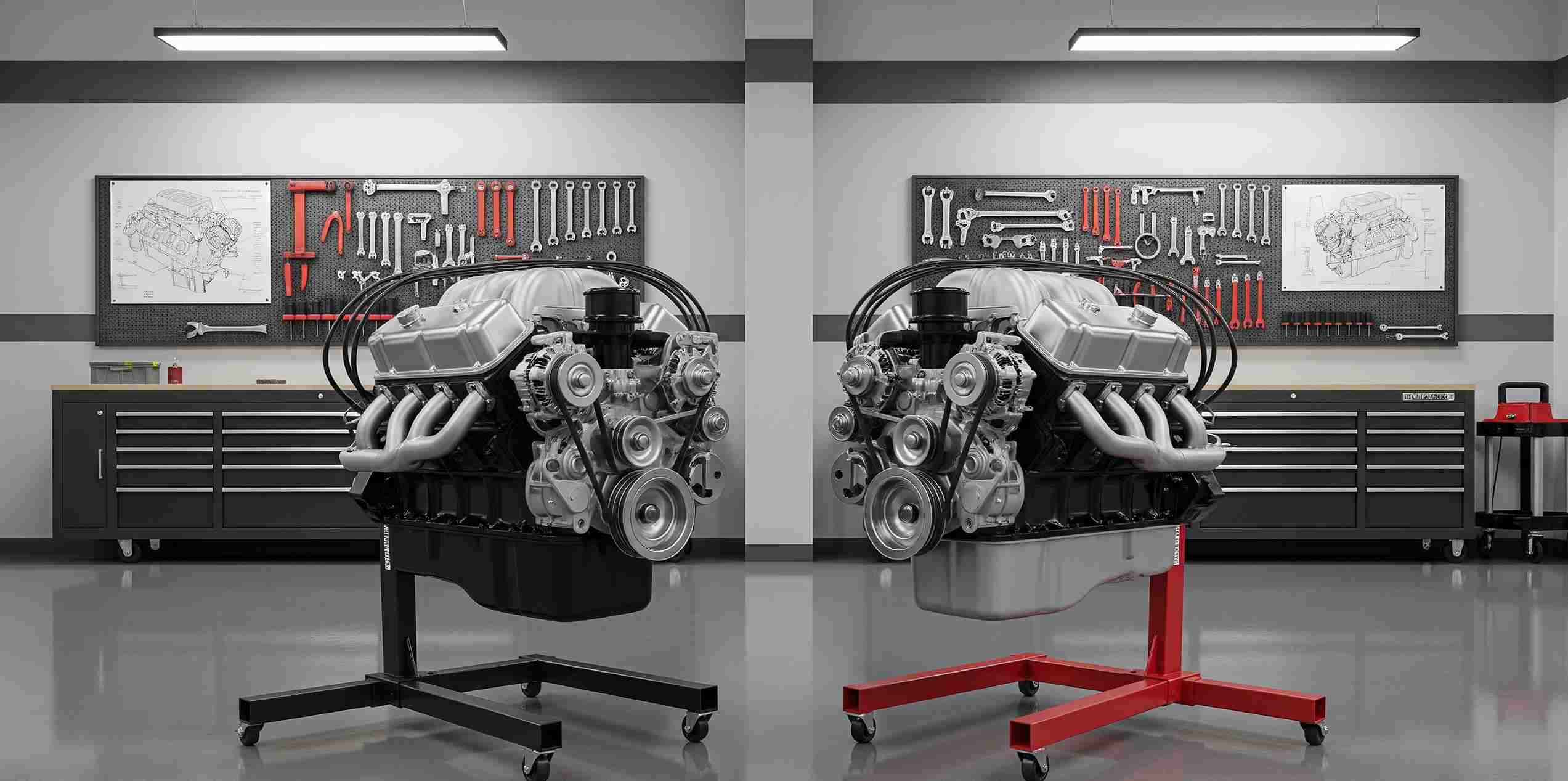
Have you ever wondered what sets apart a 305 engine from a 350? Whether you’re a car enthusiast, a mechanic, or simply curious, understanding these engines is crucial for making informed decisions about vehicle performance or upgrades.
In this article, I’ll break down the differences between the Chevrolet 305 and 350 engines, covering everything from specifications to performance, and help you determine which one might be right for your needs. By the end, you’ll have a clear grasp of how these engines compare and why it matters for your vehicle.
Curious to learn more? Keep reading as I reveal detailed insights into their specs, common uses, advantages, and pitfalls, so you can make smarter choices whether you’re upgrading or buying a vehicle.
What Are the Chevrolet 305 and 350 Engines?
To start, let’s define what these engines are and why they’re so popular among car enthusiasts and mechanics alike.
Definition of the 305 and 350 Engines
Chevrolet Small-Block Engines:
Both the 305 and 350 are part of GM’s legendary small-block engine family, first introduced in the 1960s. They are V8 engines known for their durability, simplicity, and ample power.
| Parameter | 305 Engine | 350 Engine |
|---|---|---|
| Displacement | 305 cubic inches (5.0 L) | 350 cubic inches (5.7 L) |
| Production Years | 1976–2000 | 1967–2000 |
| Bore Diameter | 3.736 inches | 4.000 inches |
| Stroke Length | 3.48 inches | 3.48 inches |
Key Features & Differences
- Displacement: The main distinction lies in their size— the 305 has a smaller engine capacity, whereas the 350 offers more cubic inches, translating to more power potential.
- Performance: Due to larger displacement, 350s tend to produce higher horsepower and torque.
- Applications: 305 engines were more common in smaller cars and were favored for fuel economy; 350s were used in more demanding performance applications, including muscle cars and trucks.
Deep Dive into the Specifications and Performance
Specs Table: 305 vs. 350 Engines
| Feature | Chevrolet 305 | Chevrolet 350 |
|---|---|---|
| Displacement | 305 ci / 5.0 L | 350 ci / 5.7 L |
| Bore | 3.736 inches | 4.000 inches |
| Stroke | 3.48 inches | 3.48 inches |
| Max Horsepower | 155–200 HP (varies by year and setup) | 245–370 HP (varies by year and setup) |
| Max Torque | 230–280 lb-ft | 300–380 lb-ft |
| Fuel Efficiency | Slightly better due to smaller size | Slightly lower, but more power available |
| Weight | Lighter | Heavier |
Performance Analysis:
- Power and Torque: As expected, the 350 engine generally surpasses the 305 in horsepower and torque, making it more suitable for performance applications.
- Fuel Economy: The smaller 305 is slightly more economical, but the difference narrows with modifications.
- Reliability and Durability: Both engines are known for robustness, but the 350’s larger size allows for more extensive upgrades and higher power output.
Why This Matters:
Choosing between a 305 and a 350 depends largely on your vehicle’s intended use — whether you prioritize fuel economy or performance.
Common Uses & Practical Applications
When to Use a 305 Engine
- Ideal for smaller cars or daily drivers where fuel economy is a priority.
- Suitable for engines with limited space under the hood.
- Popular in vintage vehicles that require original parts.
When to Use a 350 Engine
- Better suited for performance cars, muscle cars, or trucks needing more towing capacity.
- Frequently used in hot-rodded vehicles due to its higher power potential.
- Great for custom builds where increased horsepower is desired.
Tips for Success When Choosing or Upgrading
- Assess Your Vehicle’s Needs: For daily commuting, the 305 might suffice; for performance or towing, lean towards the 350.
- Consider Compatibility: Check if your vehicle chassis and transmission can handle the engine’s power and size.
- Upgrade Potential: The 350 offers more options for performance upgrades like high-rise intakes, bigger carburetors, and aftermarket heads.
- Fuel Efficiency Trade-offs: Larger engines consume more fuel, so balance your priorities accordingly.
Common Mistakes and How to Avoid Them
Mistake 1: Assuming Both Engines are Interchangeable
Solution: Verify engine mounts, transmission compatibility, and wiring before swapping.
Mistake 2: Ignoring Engine Condition
Solution: Always inspect or rebuild older engines before installation to prevent future issues.
Mistake 3: Overlooking Intended Application
Solution: Match your engine choice with your vehicle’s purpose — performance, efficiency, or originality.
Similar Variations and Alternatives
- Chevrolet 267: Smaller displacement, used in early models.
- Chevrolet 400: Larger, less common, offering even more power.
- Built-for-performance Engines: Aftermarket 350s or stroked versions to reach 383 or 396 cubic inches.
Why It Matters:
Knowing these options allows you to tailor your vehicle’s performance while considering space, budget, and purpose.
Why the Difference Matters
Understanding the nuances between the 305 and 350 engines empowers you to make informed decisions—whether upgrading your ride, restoring an old classic, or buying a used car. It influences everything from performance and fuel economy to build complexity and cost.
Why It’s Important:
Matching your engine choice to your specific needs ensures longer-lasting, more satisfying results, whether for daily driving or high-performance fun.
Conclusion
In summary, the key differences between the Chevrolet 305 and 350 engines revolve around size, power output, and application suitability. The 305 is a compact, fuel-efficient choice, ideal for smaller vehicles and daily drivers. The 350, with its larger displacement, offers significantly more power and tuning potential, perfect for performance enthusiasts. By understanding these nuances, you can select the best engine for your car or project, avoiding common pitfalls and maximizing your vehicle’s capabilities.
If you’re considering an engine upgrade or buying a new car, recognizing these differences helps you make smarter, more confident choices. Remember, whether you go with the 305 or the 350, proper maintenance and upgrades will keep your engine running smoothly for miles to come.
Ready to upgrade or buy your next vehicle? Keep these insights in mind, and you’ll be well on your way to making the right choice for your driving needs!
