

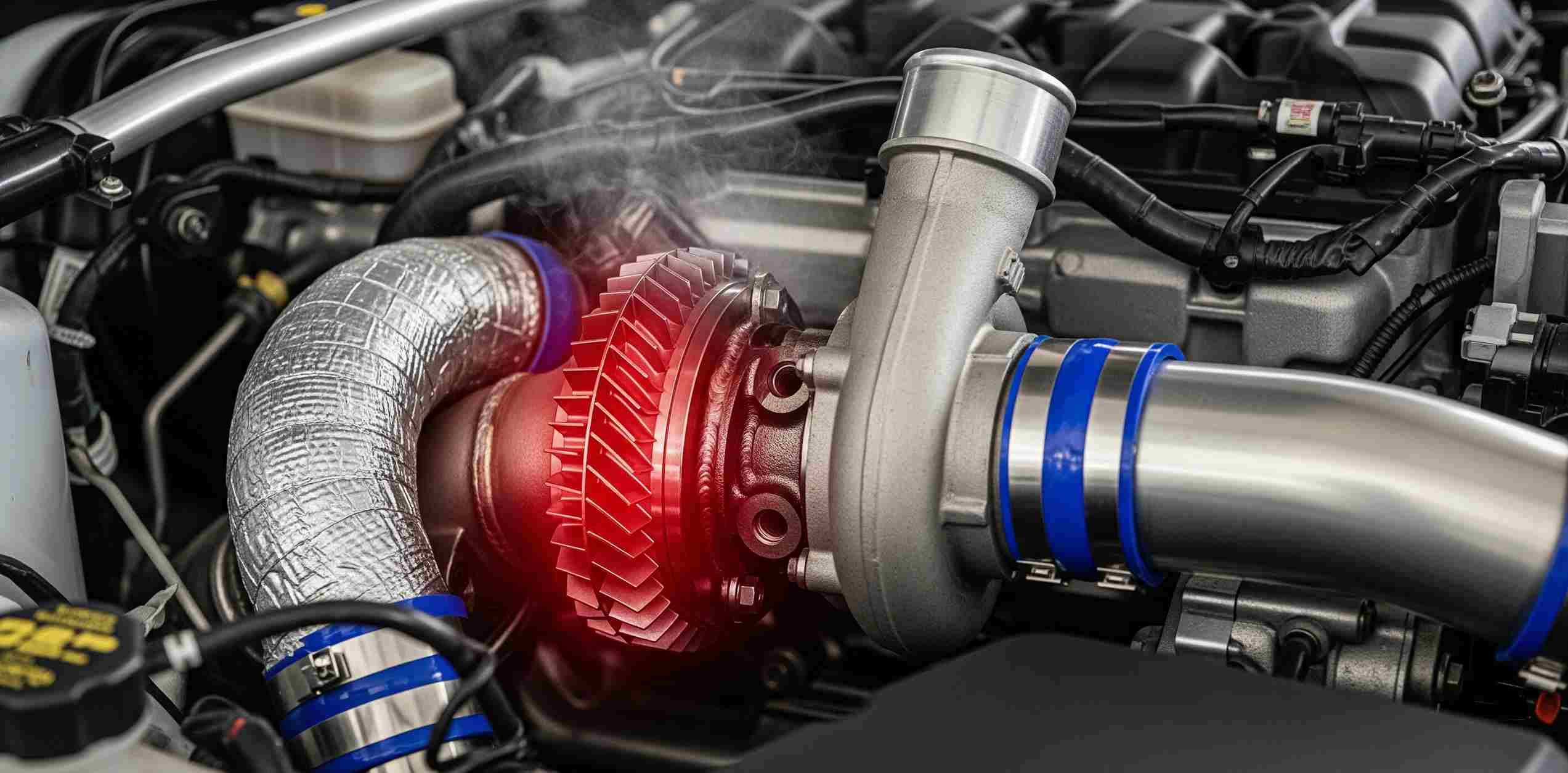
Have you ever wondered just how hot turbochargers get during operation? As an automotive enthusiast or even a casual car owner, understanding turbo temps is crucial for maintenance, performance, and longevity of your engine. Trust me, getting the lowdown on turbo temperatures isn’t just for mechanics; it’s essential knowledge for anyone invested in their vehicle’s health.
So, how hot do turbos get? Turbochargers can reach temperatures ranging from 900°F to over 1,500°F (480°C to 815°C) during peak performance. Typically, these temperatures sit around 1,300°F (705°C) under high load conditions, but factors like engine tuning, boost pressure, and cooling systems can influence this significantly. In simple terms, turbo temps are extremely high — enough to cause damage if not managed properly.
But why should you care? Well, understanding turbo temperature behavior helps you prevent costly repairs, optimize your boost settings, and even extend the life of your turbocharger. So, keep reading to dive deeper into what makes turbo temps tick—and how you can keep yours in check.
What Is a Turbocharger and Why Does Temperature Matter?
A turbocharger is a device that forces extra air into your engine’s combustion chamber to boost power. It’s a detailed system comprising several parts, which work together to maximize engine performance. The key components include:
Definition List of Turbocharger Terms:
- Compressor Wheel: Spins at high speeds to compress air.
- Turbine Wheel: Converts exhaust gases into rotational energy to power the compressor.
- Center Housing: Connects the turbine and compressor wheels and contains oil passages.
- Intercooler: Cools the compressed air before it enters the engine.
Why Do Turbos Get So Hot?
Turbos generate immense heat primarily because of their operation. When exhaust gases spin the turbine wheel at thousands of RPM, they produce high temperatures. Additionally, compressing air causes it to heat up—hotter air is less dense, so the system needs to keep temperatures in check for optimal performance.
Key Factors Influencing Turbo Temperatures:
- Boost Pressure: Higher boost levels increase temperature.
- Engine Load: Heavy acceleration results in increased heat.
- Cooling System Efficiency: An efficient oil and water cooling system helps manage heat.
- Turbo Size: Larger turbos can run hotter due to higher exhaust flow.
Typical Operating Temperatures of Turbochargers
| Turbocharger Component | Temperature Range (°F) | Temperature Range (°C) |
|---|---|---|
| Compressor Wheel | 900 – 1,400 | 480 – 760 |
| Turbine Housing | 1,200 – 1,500 | 650 – 815 |
| Center Housing | 900 – 1,200 | 480 – 650 |
| Aftercooler / Intercooler | Cools compressed air | Reduces intake temps |
Note: Under aggressive tuning or racing conditions, temps can spike even higher, sometimes exceeding 1,600°F (870°C).
How Hot Is Too Hot? Risks of Excessive Turbo Temperatures
Exposing a turbo to extreme heat for prolonged periods can cause serious damage:
- Oil Coking: Excessive heat can burn and carbonize the turbo’s oil, blocking lubrication pathways.
- Blade Damage: High temps weaken turbine blades, risking cracks or breakage.
- Seal Failure: Elevated temperatures can cause seals to deteriorate prematurely.
- Reduced Efficiency: Overheating can diminish the compressor’s ability to generate boost properly.
Therefore, managing turbo temperature isn’t just about avoiding discomfort—it’s vital for your engine’s health.
Tips for Keeping Turbo Temps in Check
- Upgrade Cooling Systems: Use high-quality oil coolers and intercoolers.
- Optimize Tuning: Avoid excessive boost pressures; tune for cooler operation.
- Allow Warm-Ups and Cool-Downs: Let your turbo idle after driving hard, especially before shutting off the engine.
- Choose the Right Turbo Size: Smaller, properly matched turbos tend to run cooler under normal conditions.
- Monitor Temps: Install exhaust gas temperature (EGT) sensors or boost gauges with temperature readouts.
Common Mistakes and How to Avoid Them
- Ignoring Cool-Down Periods: Shutting off the engine immediately after hard driving can cause oil coking.
- Overboosting: Pumping too much boost strains the turbo, raising temps beyond safe levels.
- Neglecting Maintenance: Dirty oil, clogged intercoolers, or worn seals increase overheating risk.
- Inadequate Cooling Upgrades: Relying solely on stock cooling systems for heavily modified setups.
Similar Variations and Advances in Turbo Technology
Technology is always evolving. Some turbo systems include:
- Water-Cooled Turbos: Use additional water lines to draw heat away.
- Electric Turbochargers: Use electric motors to reduce thermal load.
- Twin-Scroll Turbos: Improve efficiency and reduce heat buildup by better exhaust flow management.
- Variable Geometry Turbos (VGT): Adjust turbine vanes to optimize performance at various RPMs and manage heat better.
Understanding these variants helps you pick the right turbo system for your needs, especially if cooler operation is a priority.
Why Does This Matter? The Importance of Managing Turbo Heat
Turbochargers are marvels of engineering, but with great power comes great heat. If you fail to manage those high operating temperatures, you risk severe damage, costly repairs, and decreased performance. Proper maintenance and awareness of turbo temp behaviors directly impact your vehicle’s lifespan and efficiency.
Final Takeaway
Keeping your turbocharger within safe temperature limits isn’t just about avoiding breakdowns—it’s about protecting your engine’s longevity, ensuring peak performance, and enjoying your ride without surprises. Regular monitoring, proper upgrades, and good driving habits are your best defense against turbo damage caused by excessive heat.
Wrap Up and Next Steps
Now that you understand how hot turbos get and what that means for your vehicle, it’s time to check your current setup. Are you driving a turbocharged car? Do you see signs of overheating or sluggish performance? Take action by investing in cooling upgrades or tuning adjustments. Remember, a well-maintained turbo is key to a powerful and reliable engine.
Thanks for sticking with me through this deep dive into turbo temps. Keep your turbo cool, and your ride will thank you for it!
