

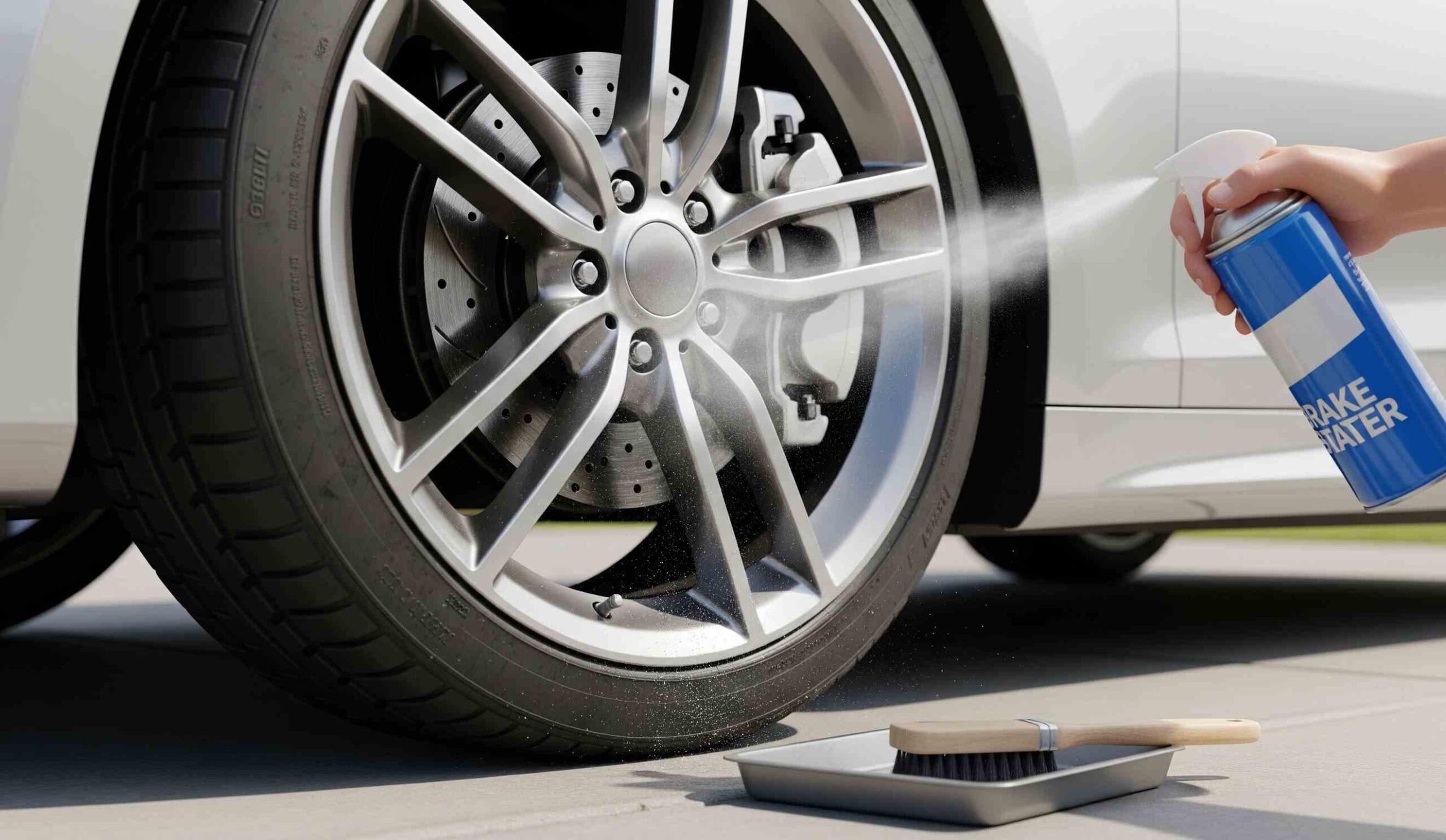
When it comes to vehicle maintenance, braking systems often get overlooked—yet they’re crucial for safety and performance. If you’re wondering how to clean your brakes without removing the wheel, you’re in the right place. Today, I’ll guide you through a simple, effective method that saves time and effort while ensuring your brakes stay in top condition.
So, can you clean your brakes without taking off the wheel? Absolutely. The most straightforward way involves using a brake cleaning spray and careful cleaning techniques while the wheel remains mounted. This approach is perfect for routine maintenance, minor dirt, or brake dust removal, especially if you’re not planning a full brake overhaul. Keep reading to discover step-by-step instructions, tips, common mistakes to avoid, and more.
By the end of this article, you’ll have a clear understanding of how to safely clean your brakes without removing the wheel, ensuring your vehicle performs smoothly and safely for miles to come.
How to Clean Brakes Without Removing the Wheel: A Simple, Step-by-Step Guide
Cleaning your brakes without removing the wheel is a manageable task that benefits from the right tools, technique, and safety measures. Here’s an overview of what you need to do, plus detailed steps to ensure you get it right.
What You’ll Need
Before you start, gather these key items:
| Item | Purpose | Notes |
|---|---|---|
| Brake Cleaner Spray | To dissolve brake dust and grime | Use a high-quality, automotive-specific product |
| Gloves | To protect your hands | Non-slip, chemical-resistant gloves preferred |
| Safety Glasses | To protect eyes | Essential when spraying brake cleaner |
| Microfiber Cloth or Brush | For wiping or scrubbing | Choose softer brushes to avoid damage |
| Jack and Jack Stands | To slightly lift the vehicle if needed | Ensure car stability during process |
| Protective Cover or Cardboard | To shield surrounding areas | Prevents overspray on other components |
Note: Always perform this task on a level surface and ensure the vehicle is securely parked with the parking brake engaged.
Step-by-Step Cleaning Process
Step 1: Park and Prepare
- Park your vehicle on a flat, stable surface.
- Engage the parking brake and turn off the ignition.
- Put on gloves and safety glasses.
Step 2: Apply Brake Cleaner Spray
- Spray the brake cleaner generously onto the brake rotors, calipers, and surrounding areas, focusing on the rotor surface where brake dust settles.
- Maintain a distance of about 6-8 inches to prevent overspray.
Step 3: Let It Sit
- Allow the cleaner to sit for 1-2 minutes. It helps dissolve brake dust, grease, and dirt, making removal easier.
Step 4: Wipe and Scrub
- Use a microfiber cloth or soft brush to wipe down the rotors and calipers gently.
- For stubborn grime, reapply the cleaner and scrub lightly.
- Never spray directly onto the brake pads at risk of contaminating the friction surface.
Step 5: Final Rinse and Dry
- Spray a second round of cleaner if needed.
- Wipe with a clean microfiber cloth to dry and remove residual dirt or cleaner.
Step 6: Repeat for Other Wheels
- Repeat this process for each wheel as desired, without removing the entire wheel assembly.
Step 7: Test Drive
- Once complete, take your car for a short test drive.
- Gently apply the brakes to ensure they’re functioning properly and to help dry any residual cleaner.
Why Regular Cleaning Matters and How It Keeps Your Brakes in Prime Condition
Understanding the importance of brake cleaning helps emphasize why this process is vital. Brakes are exposed to dust, dirt, moisture, and road grime daily. Over time, these contaminants can impair brake performance, cause uneven wear, or lead to corrosion.
Keeping your brakes clean ensures:
- Optimal stopping power
- Reduced wear and tear on brake components
- Minimal squeaking or squealing noises
- Longevity of brake parts
- Increased safety during driving
Regular cleaning, especially when done without removing the wheel, provides a quick and cost-effective way to maintain brake health.
Tips for Success
- Use quality brake cleaner spray designed for automotive use to avoid damaging components.
- Avoid spraying on hot brakes. Wait until the brakes are cool to prevent the cleaner from vaporizing prematurely.
- Don’t breathe in the fumes. Ventilate your workspace well.
- Be gentle when scrubbing to prevent damaging delicate parts or causing scratches.
- Wear protective gear at all times to safeguard your eyes and skin.
- Perform routine checks for worn brake pads or damaged rotors while cleaning.
Common Mistakes and How to Avoid Them
| Mistake | Solution | Explanation |
|---|---|---|
| Spraying brake cleaner on hot brakes | Wait until brakes cool down | Steam or vapors can cause injury or reduce cleaner effectiveness. |
| Using aggressive brushes or scrubbing too hard | Use soft brushes and gentle pressure | Prevents damage to rotors and calipers. |
| Contaminating brake pads | Avoid spraying directly on pads | Brake dust deposit can affect braking performance. |
| Skipping safety precautions | Always wear gloves and glasses | Protects against chemical exposure and debris. |
| Not drying or wiping thoroughly | Use clean microfiber cloths | Residual cleaner can compromise brake friction. |
Variations and Alternatives in Brake Cleaning
While the core method remains consistent, you may consider some variations:
- Using a Pressure Washer: A gentle pressure washer with a nozzle can help clean harder-to-reach areas, but avoid directly spraying on brake pads.
- Manual Cleaning with Degreasers: For stubborn grease, automotive degreasers can be used in conjunction with brake cleaner.
- Full Brake Disassembly: For deep cleaning or repair, removing wheels and disassembling calipers is recommended but involves more effort.
- Cleaning During Tire Rotation: Incorporate brake cleaning in your tire rotation schedule for efficiency.
- Using ultrasonic cleaners: Advanced option for cleaning small brake parts.
Why it matters: These methods can enhance cleaning efficiency but should be chosen based on your comfort level and vehicle needs.
Why Your Routine Brake Cleaning Matters
Keeping your brakes clean isn’t just about appearance; it’s critical for your safety and your vehicle’s longevity. Dirt and grime buildup can lead to reduced braking efficiency, increased wear, and costly repairs if neglected.
By mastering how to clean brakes without removing the wheel, you can:
- Save time and money
- Improve braking performance
- Extend the lifespan of brake components
- Maintain safer driving conditions
Doing this regularly helps ensure your vehicle’s braking system remains reliable and responsive.
Wrapping Up
Cleaning your brakes without removing the wheel is a straightforward process that can significantly impact your vehicle’s safety and performance. With the right tools, proper technique, and safety precautions, you can tackle this task confidently and efficiently. Remember to inspect your brakes regularly and perform these cleaning steps as part of your routine vehicle maintenance.
Stay proactive about brake care, and you’ll ensure smoother, safer driving for miles ahead. Thanks for reading — now go ahead and give those brakes some well-deserved TLC!
